I have finally graduated college, completed my internship and kickstarted my career. I thought there was no better way to celebrate these milestones than a stargazing trip. It would be my first time. I did some research and found a two day, one-night stargazing trip to Wadi Hitan. It took place on the weekends so there were no excuses there. I told my coworkers about it and they liked the idea. I immediately bought the tickets for all of us to secure the spots even before I had the final confirmation from them. The day had come. The weather was nice and a bit warm. We departed from Cairo on a 3 hour drive to Wadi Hitan. The distance itself is not that long. It's the roads that are limiting. Because Wadi Rayan and Wadi Hitan are natural preserves, you can't build asphalt roads there. The roads are similar to gravel roads but composed of natural materials.
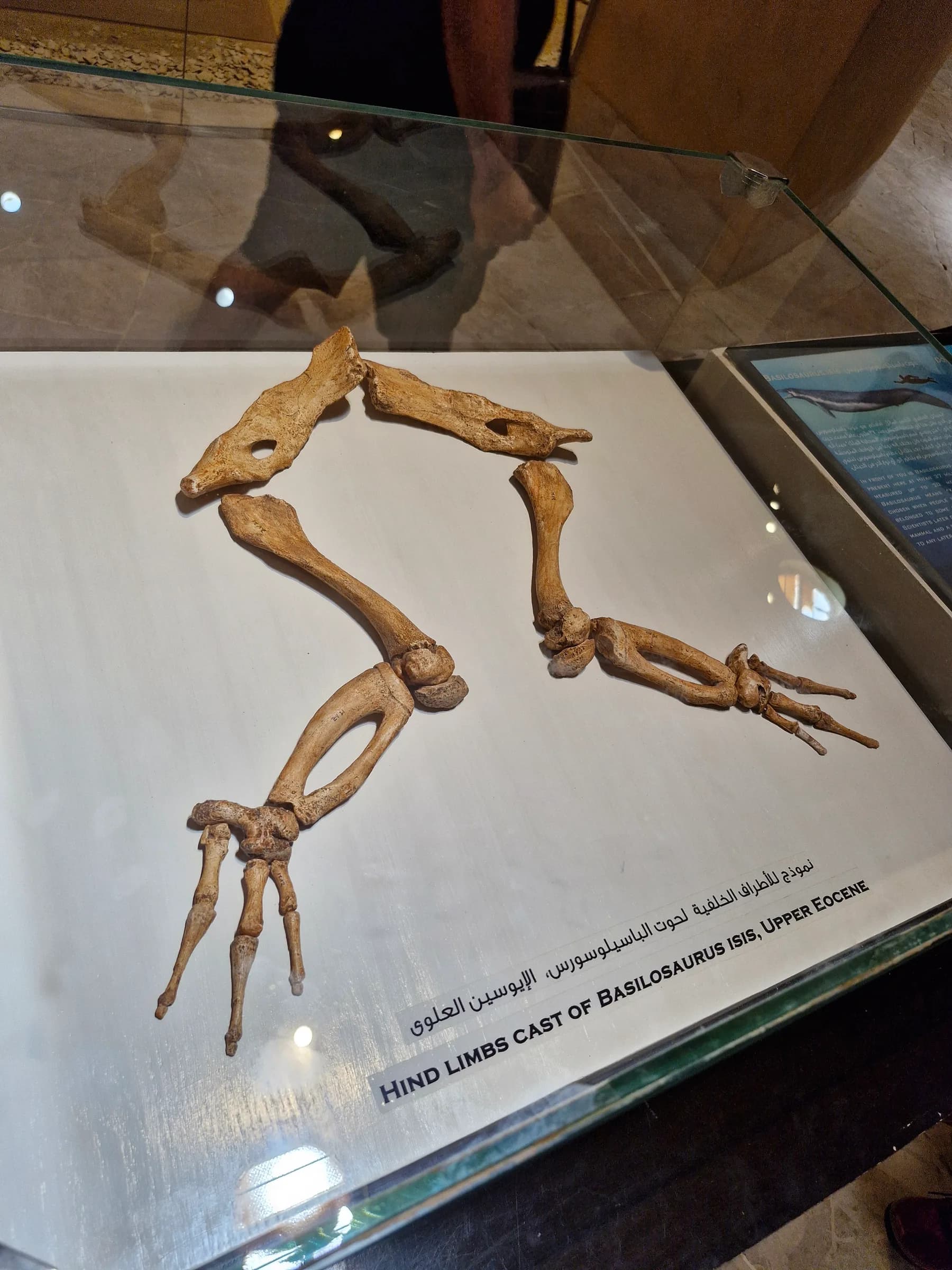
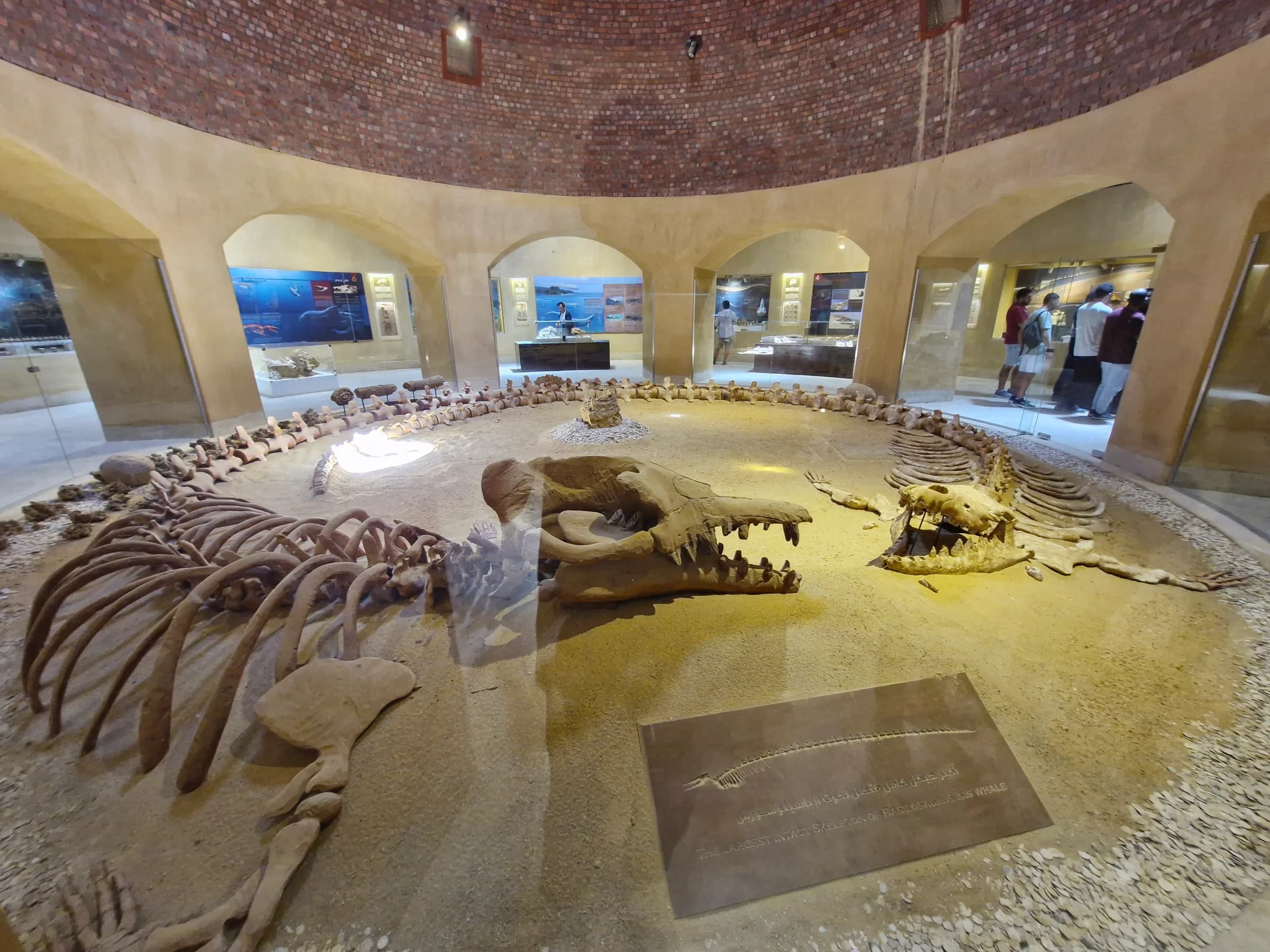
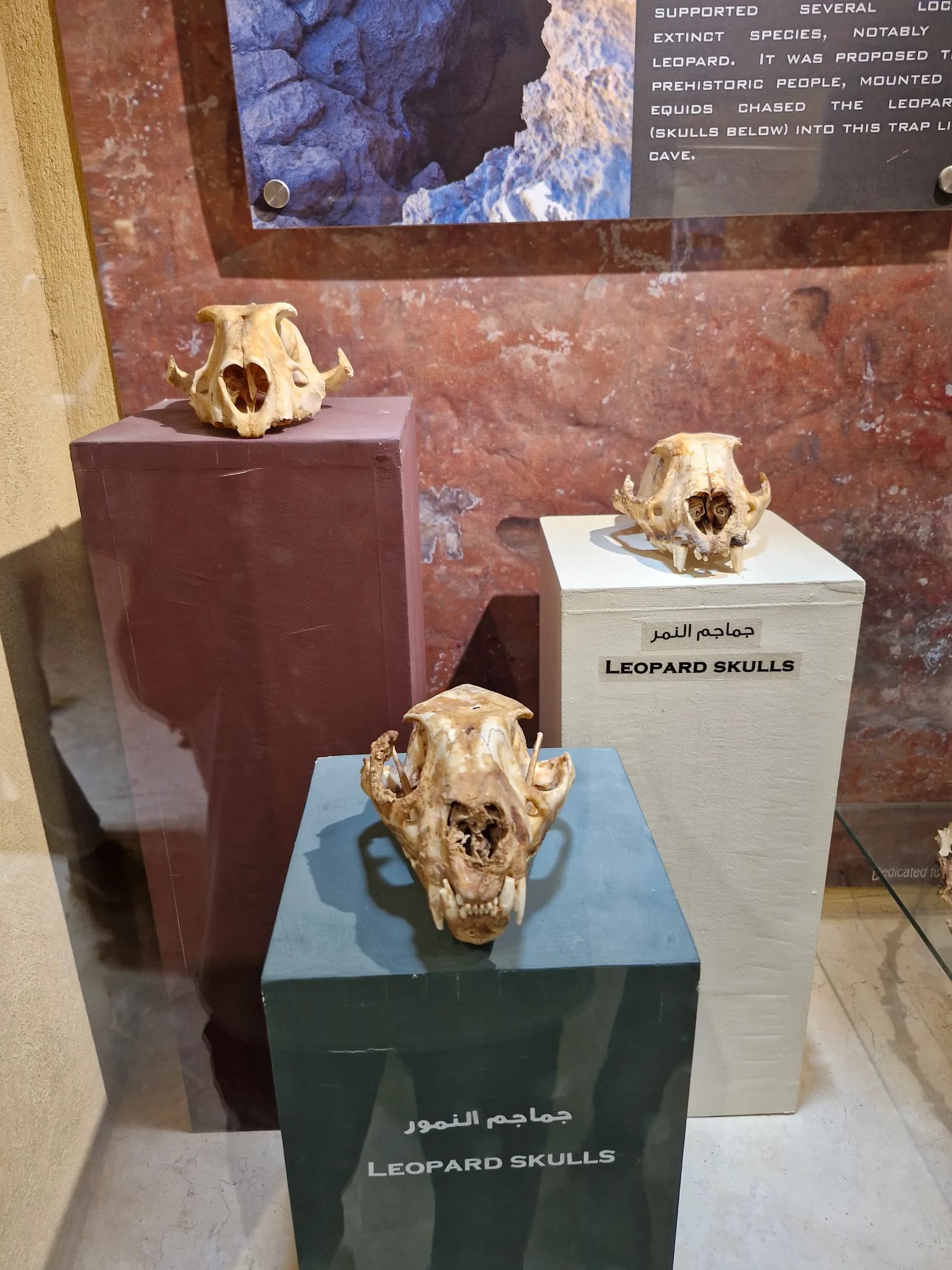
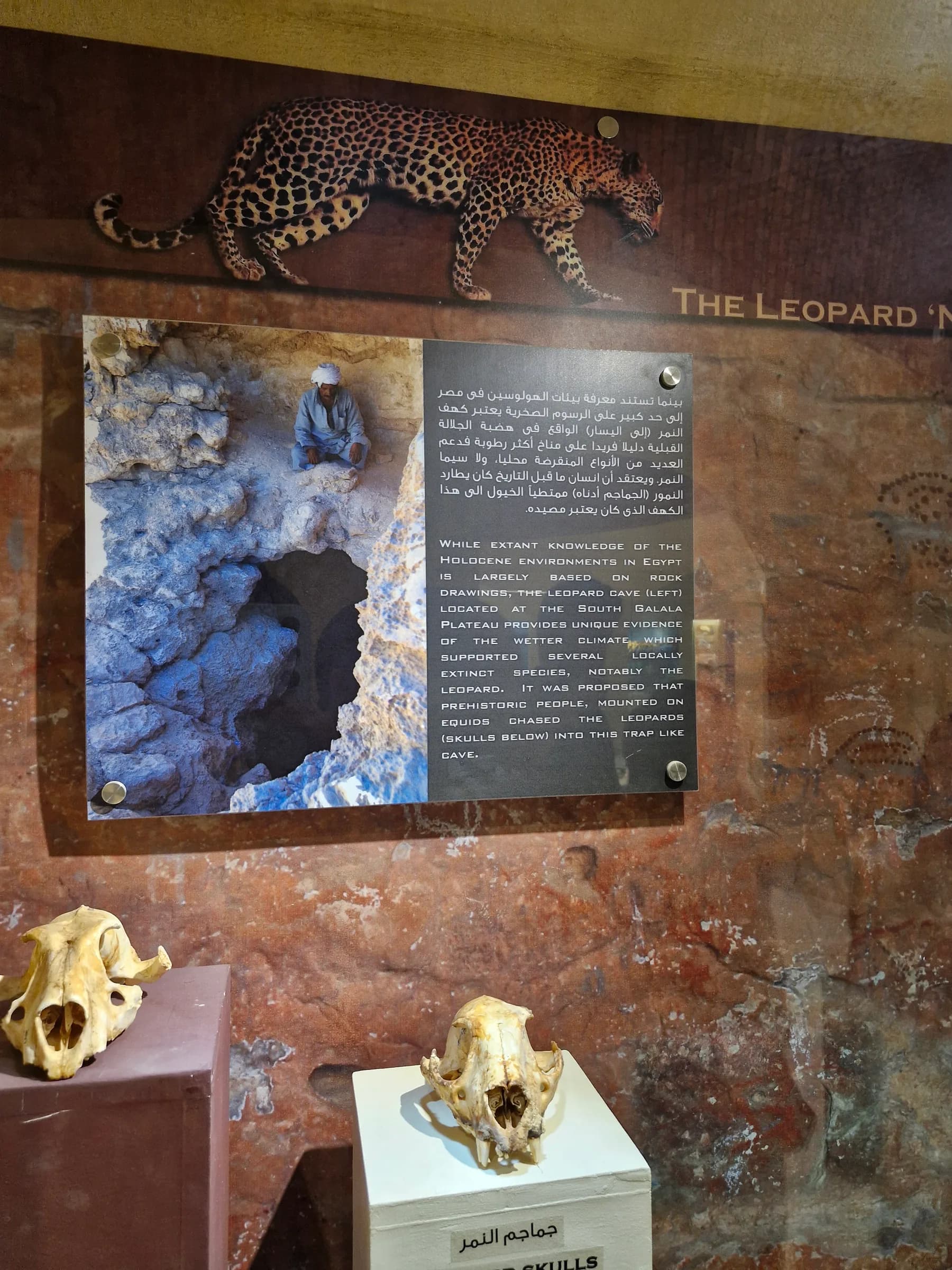
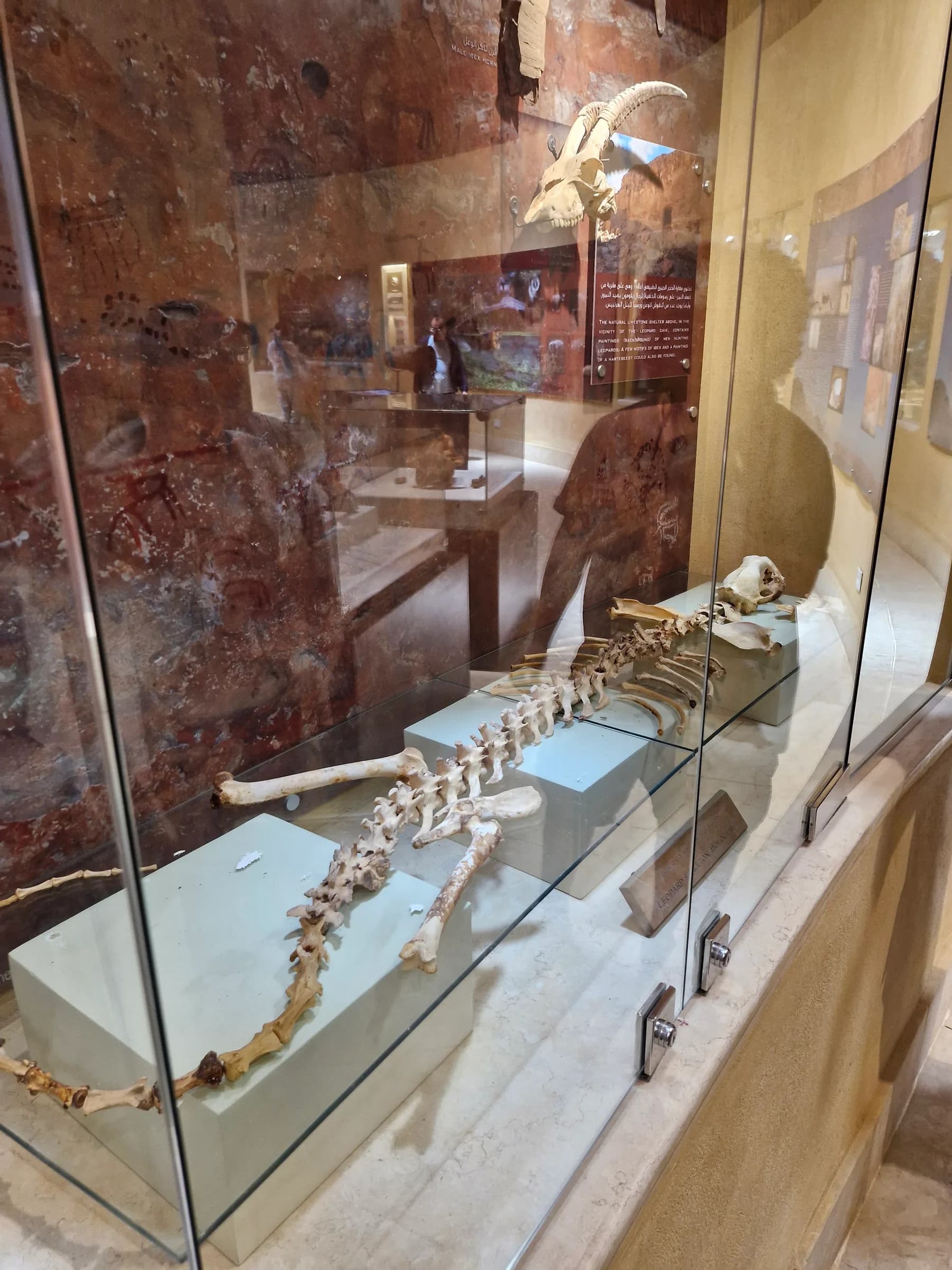
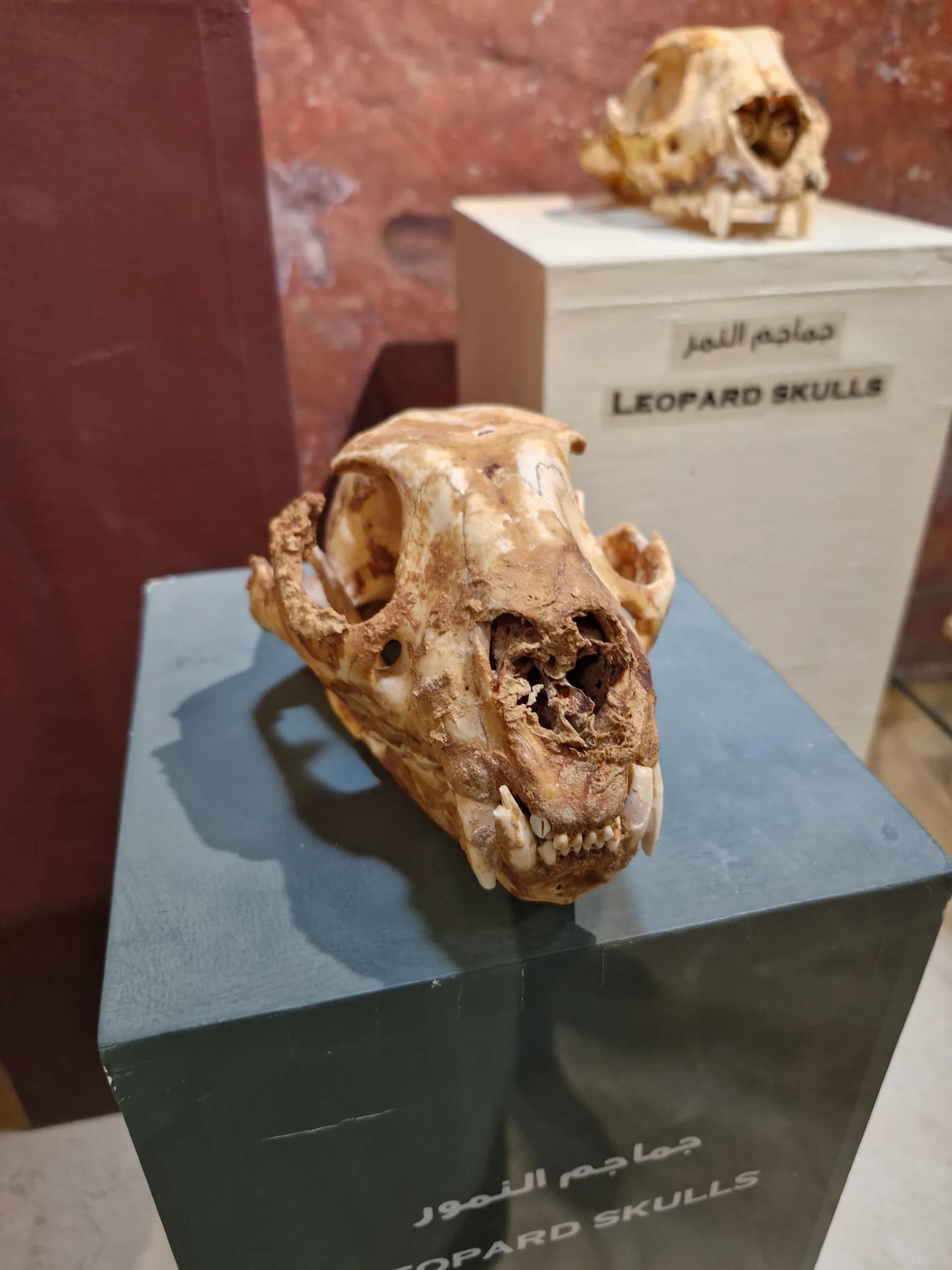
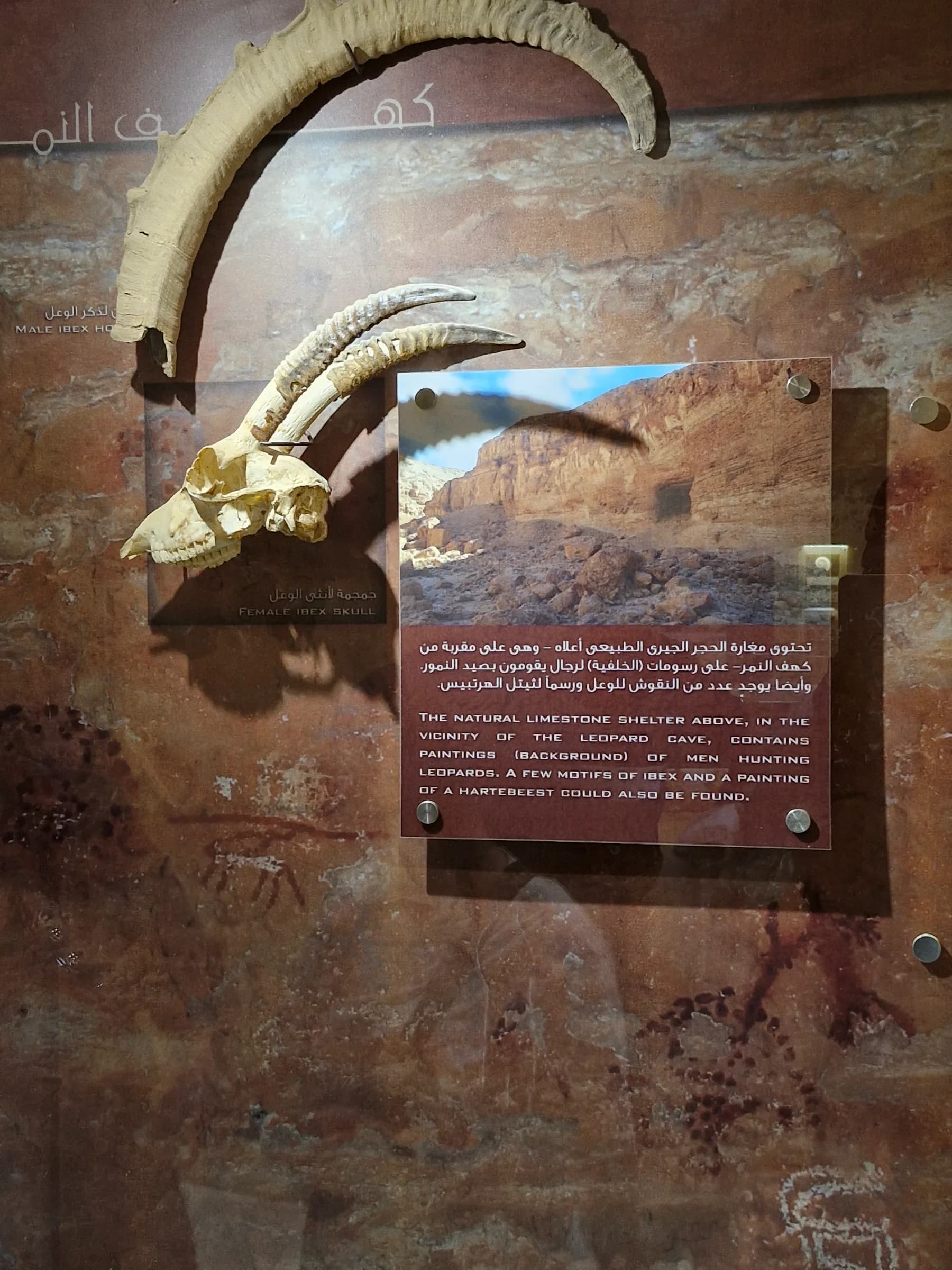
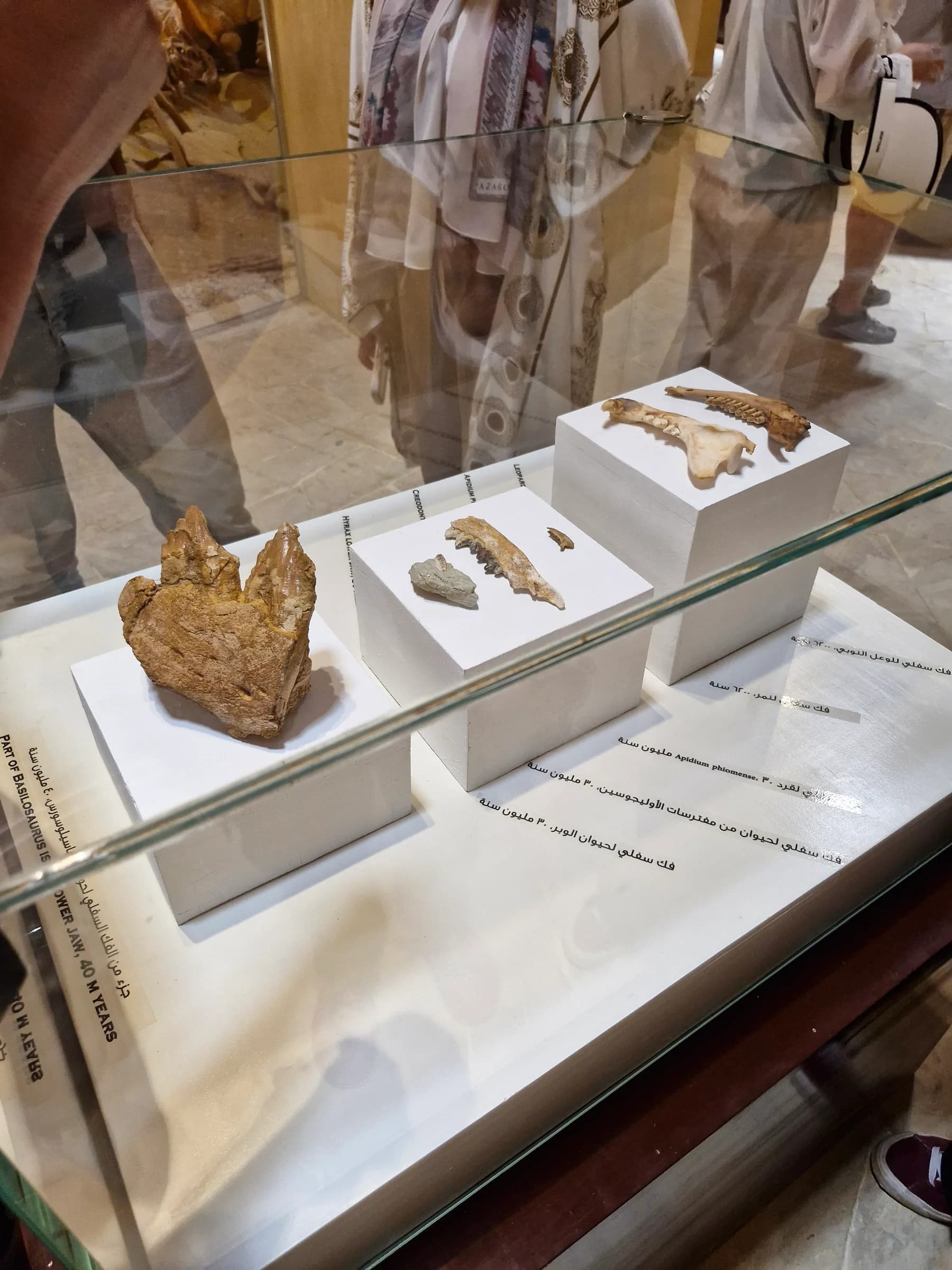
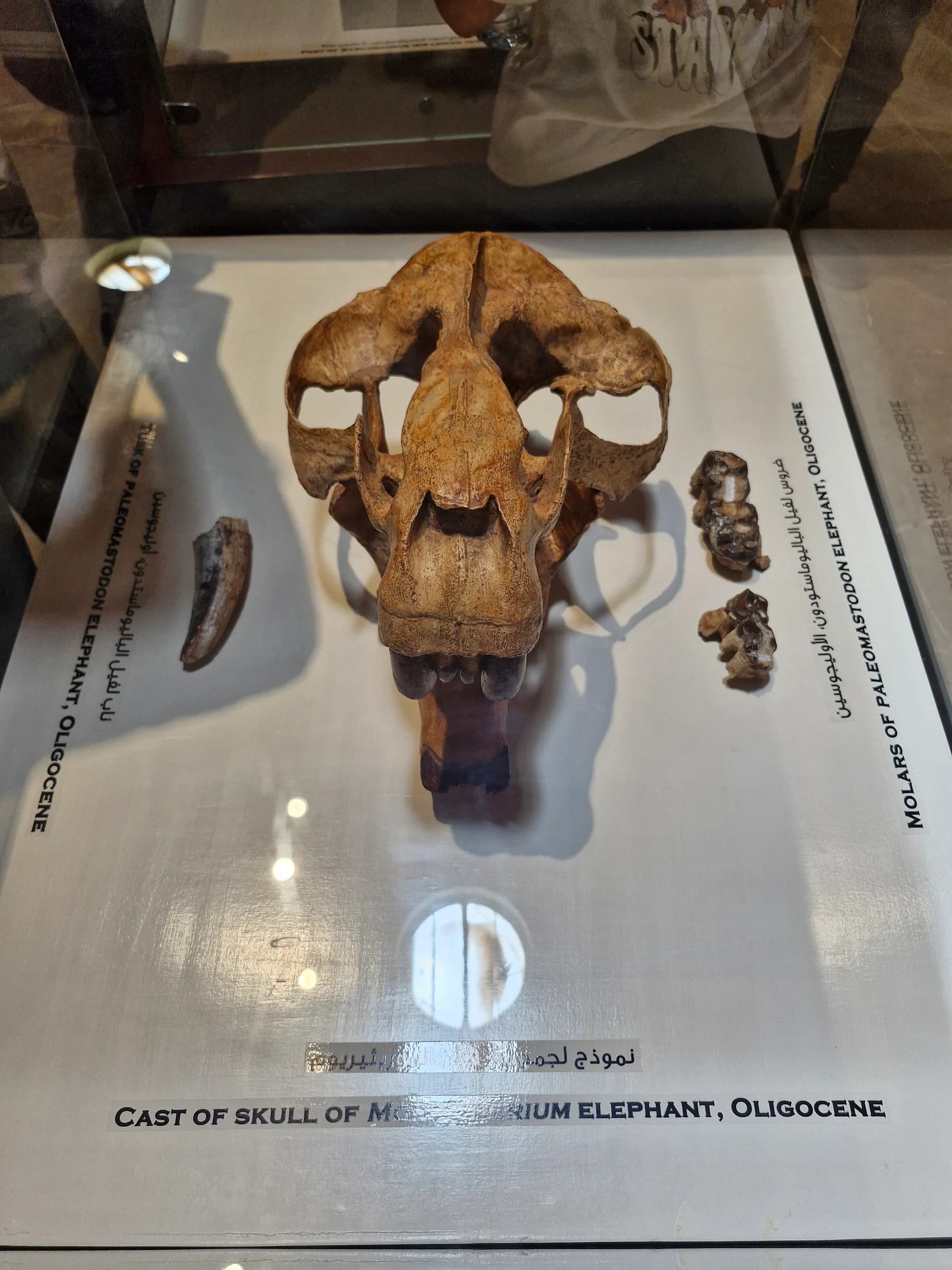
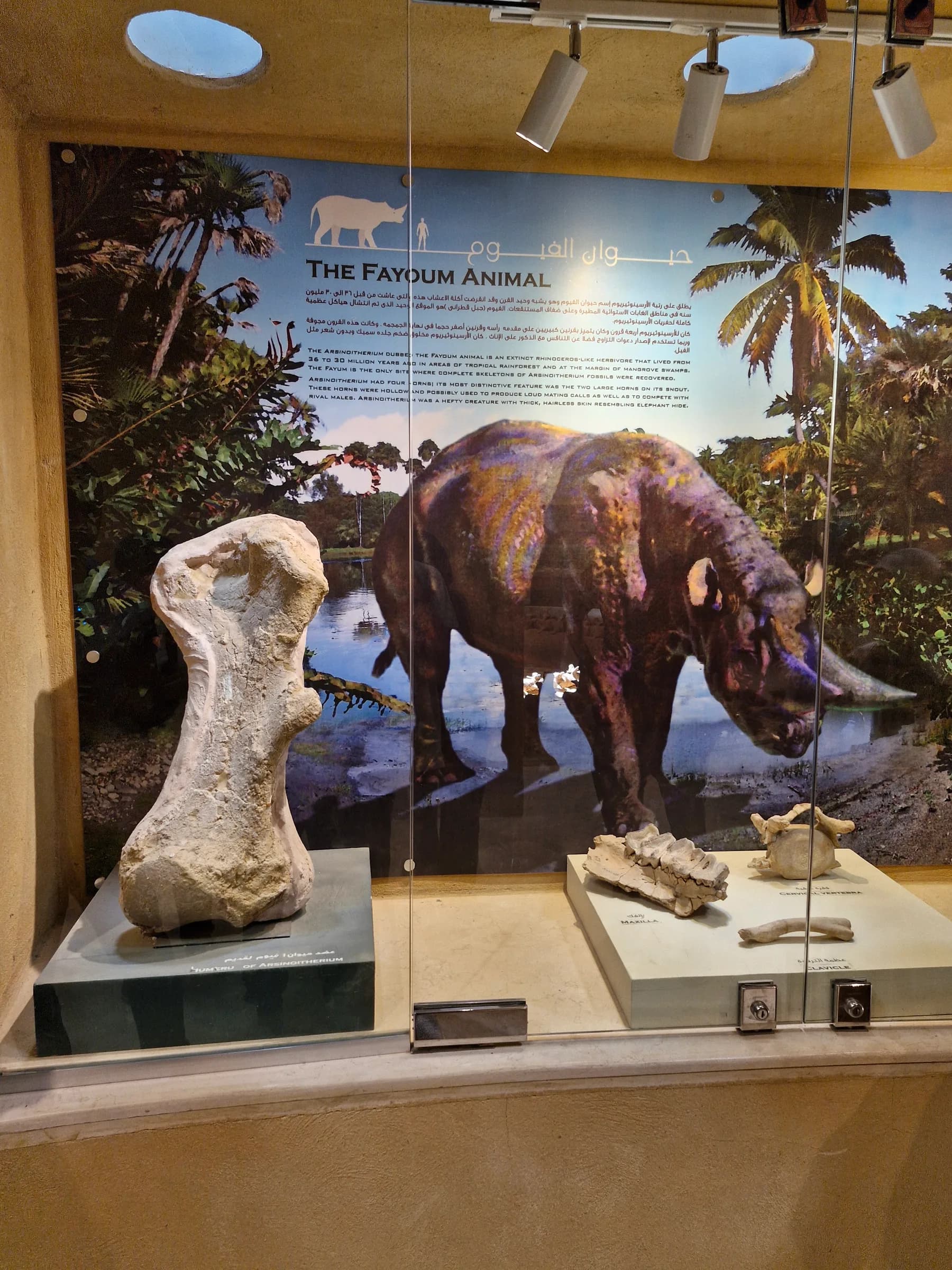
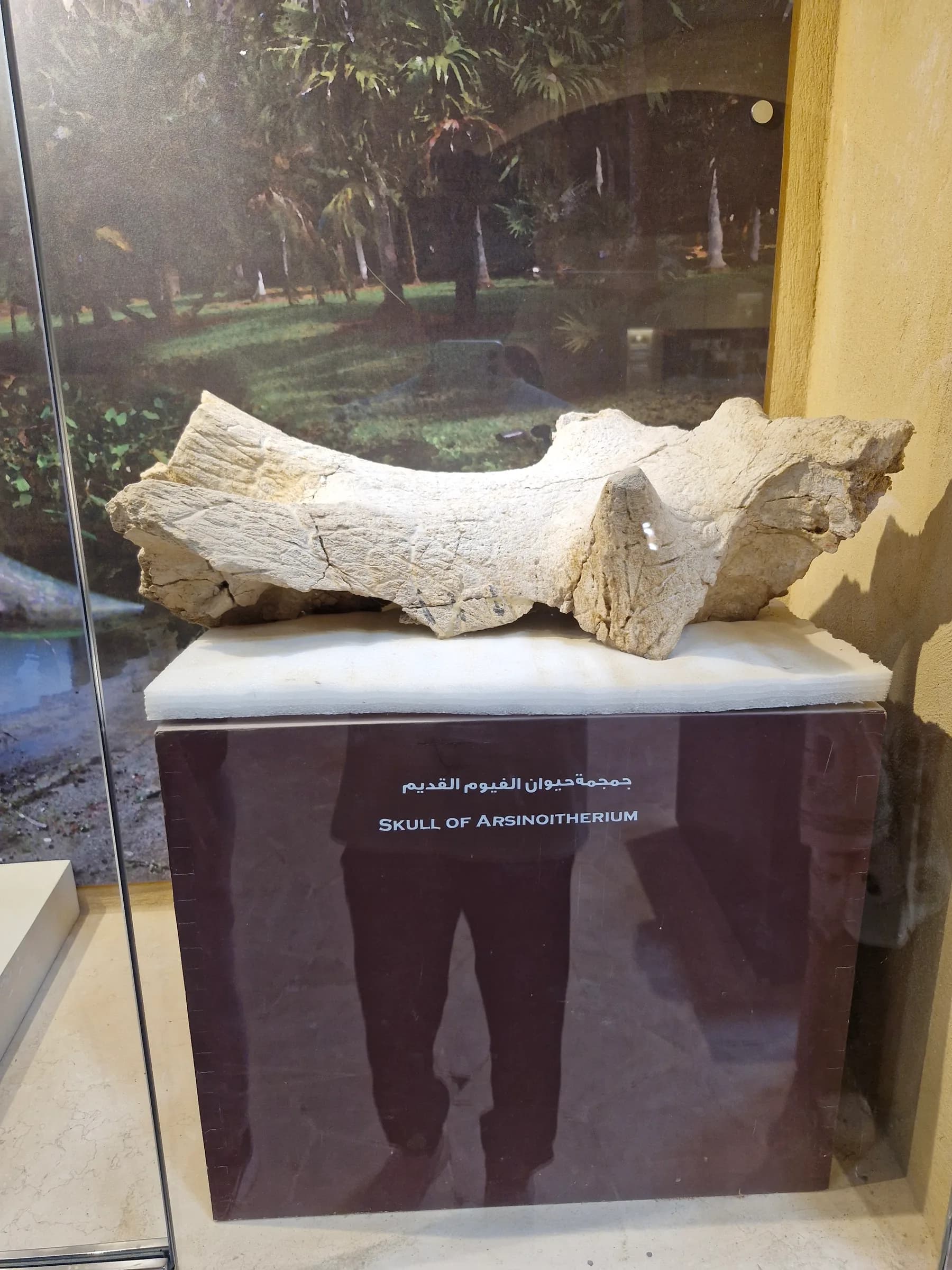
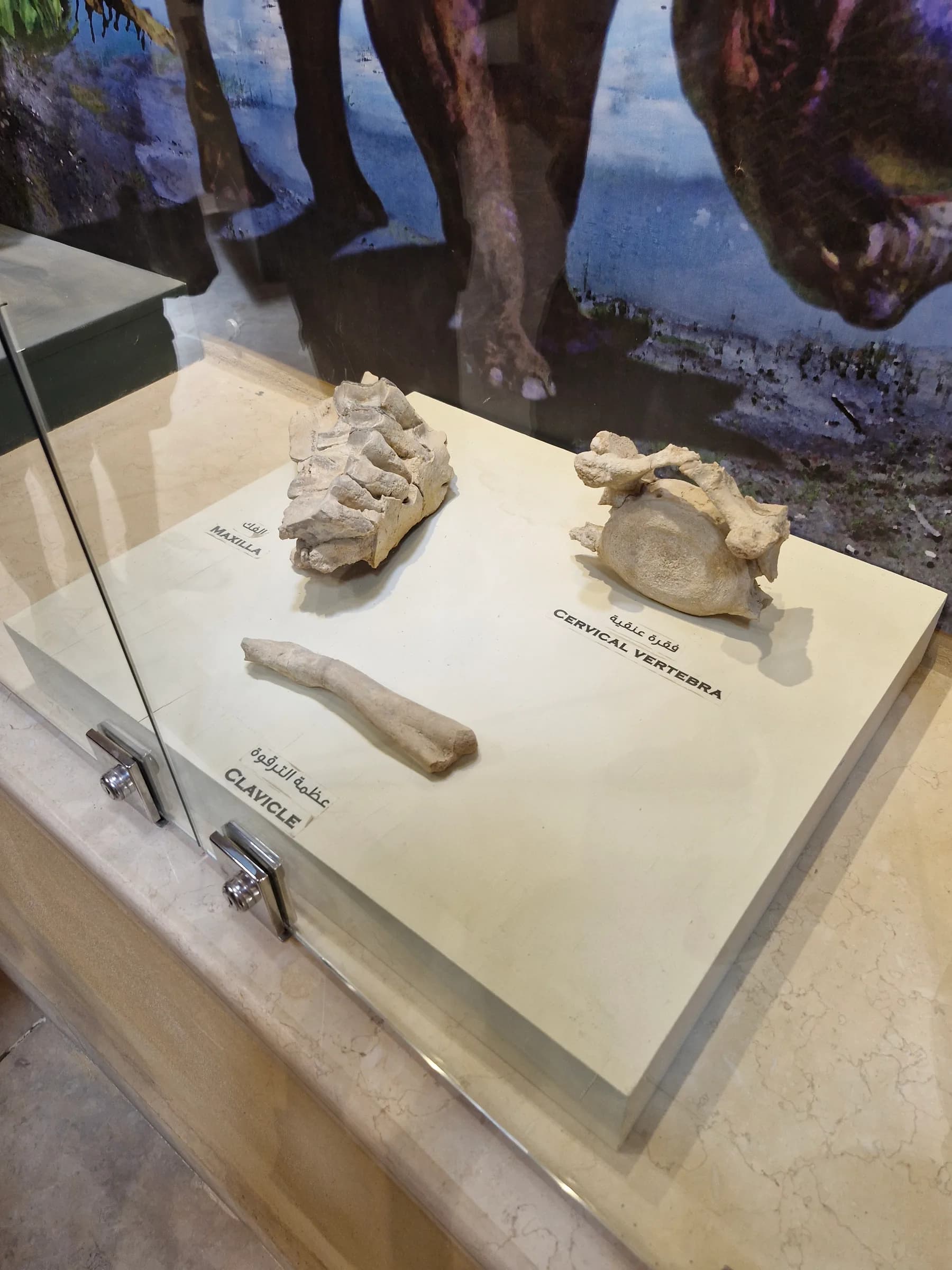
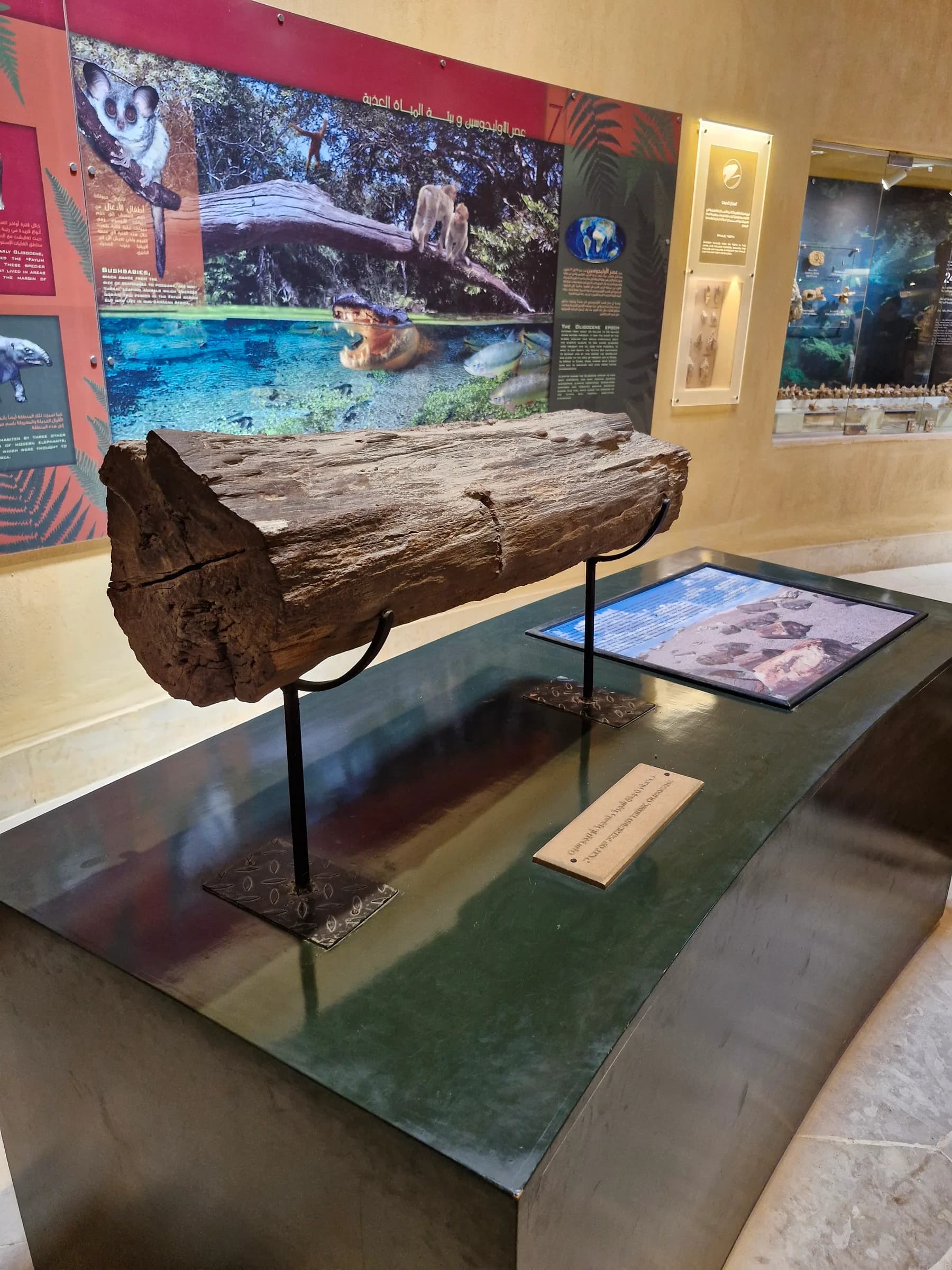
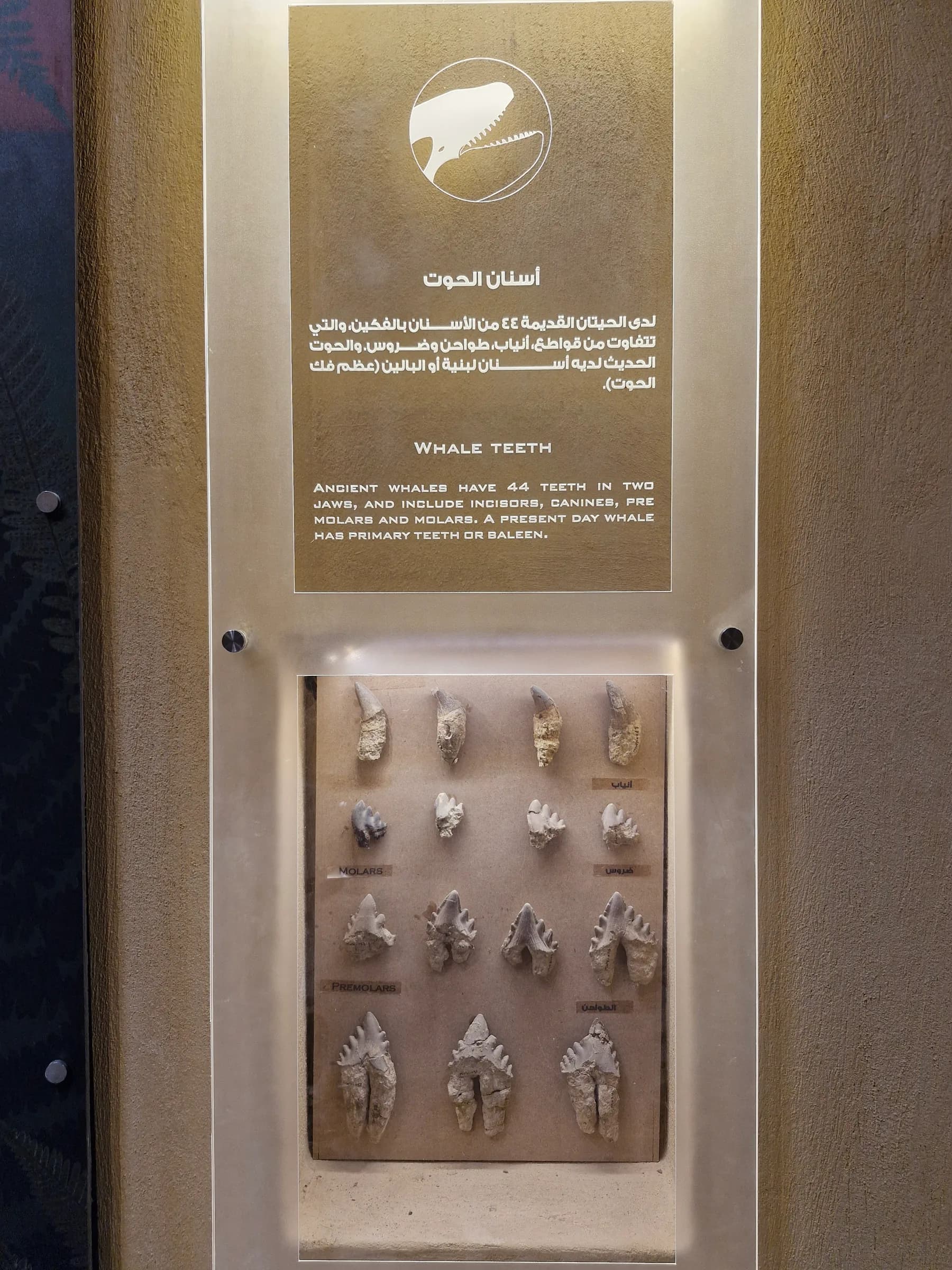
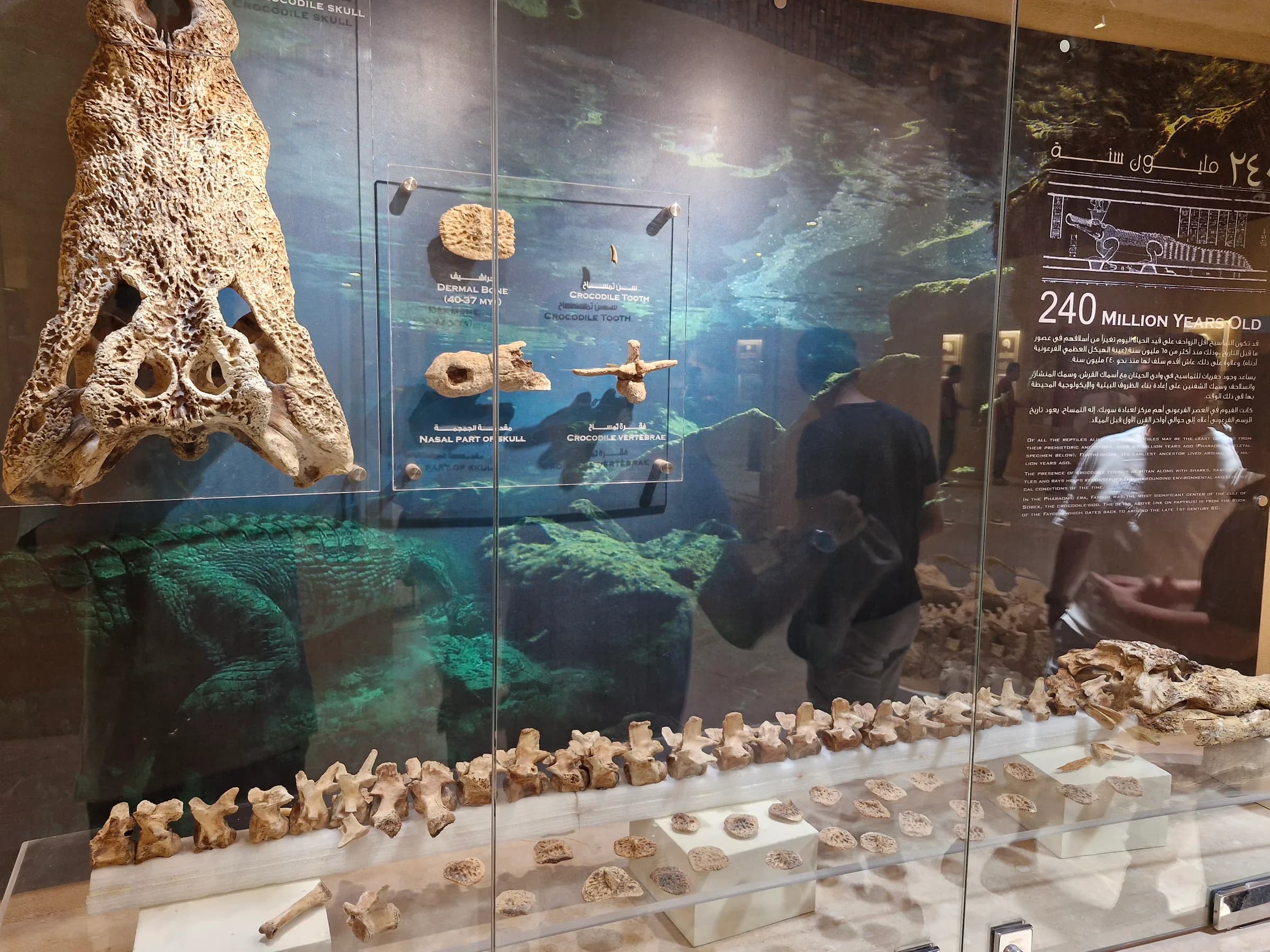
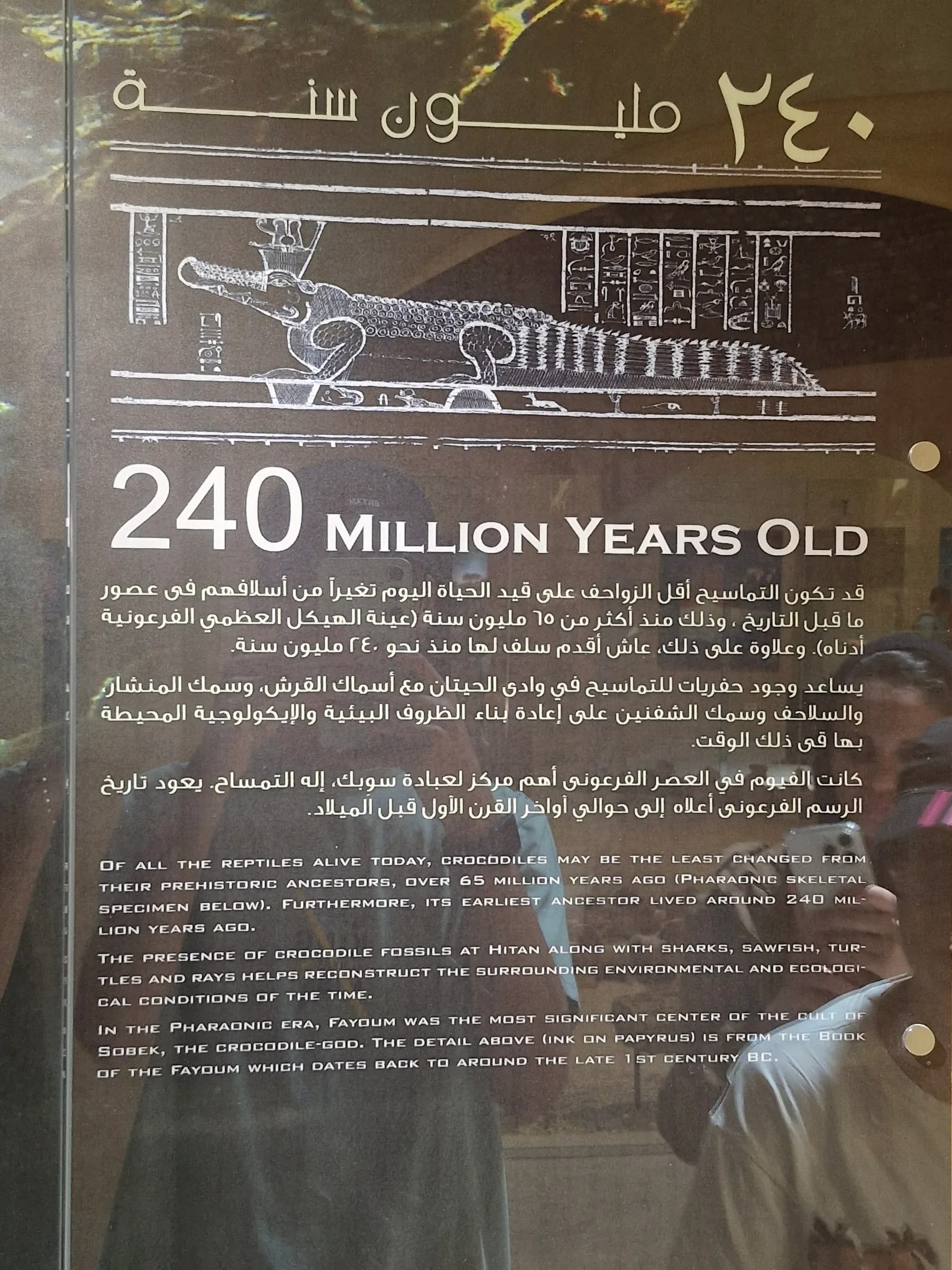
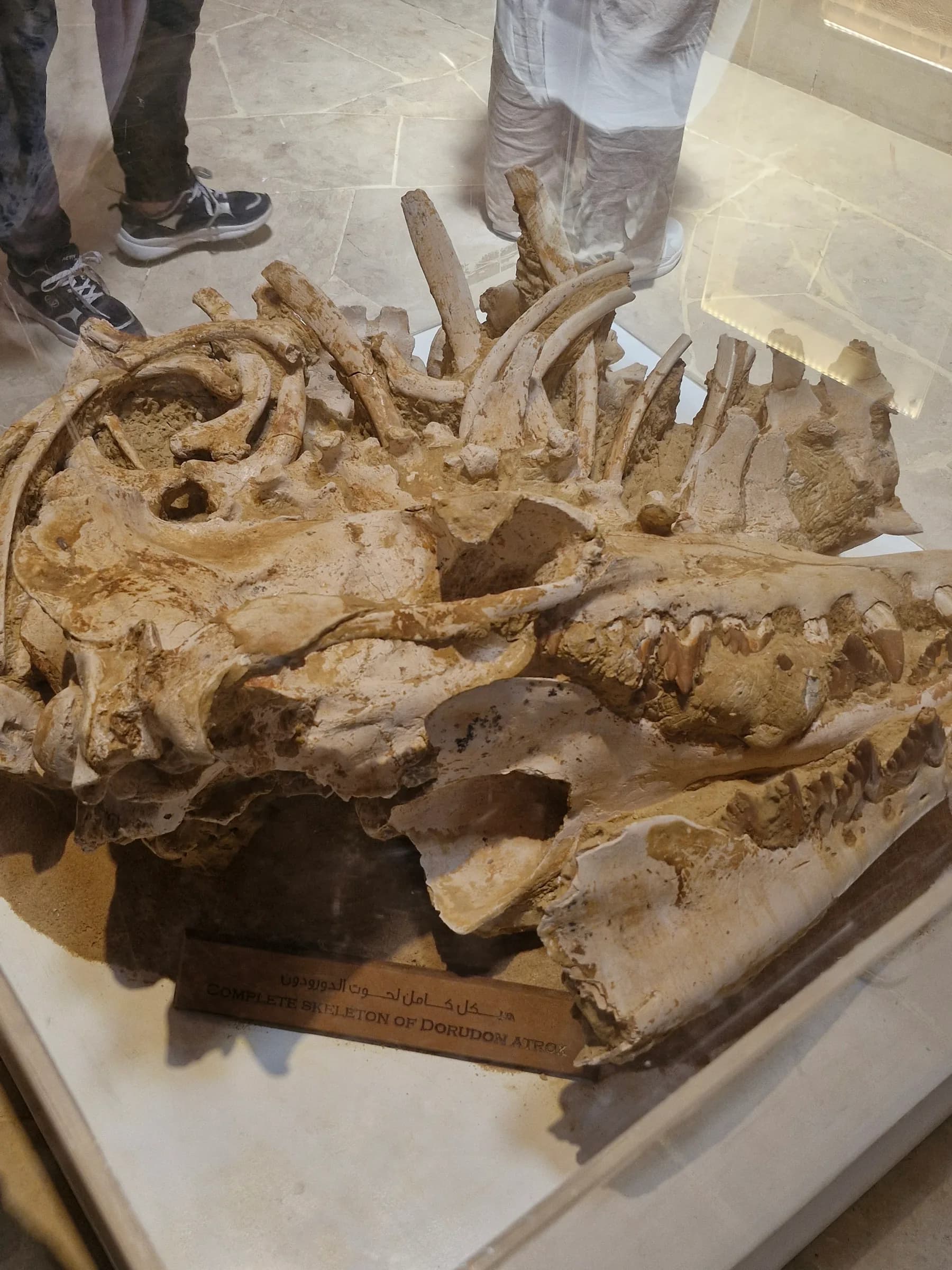
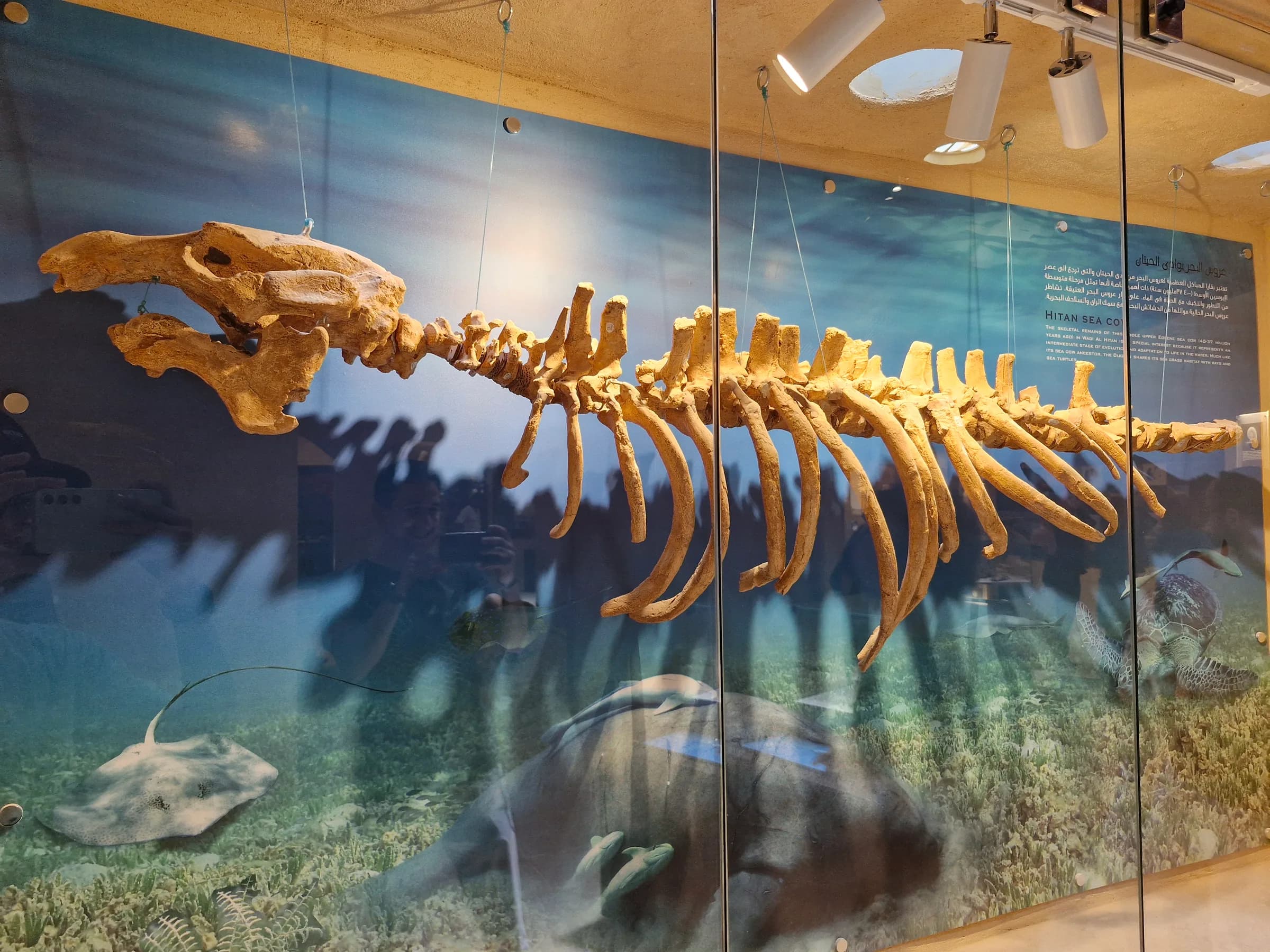
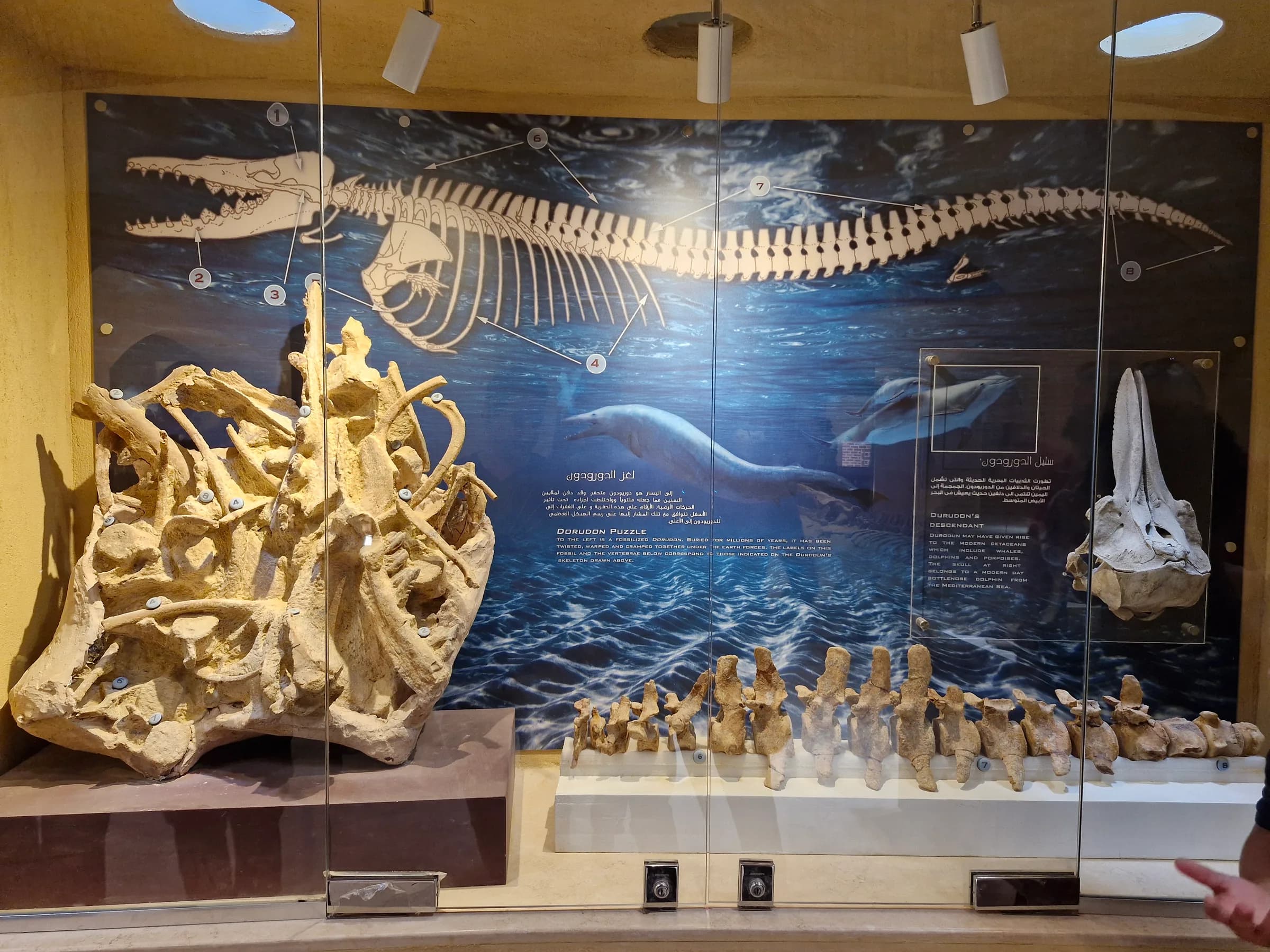
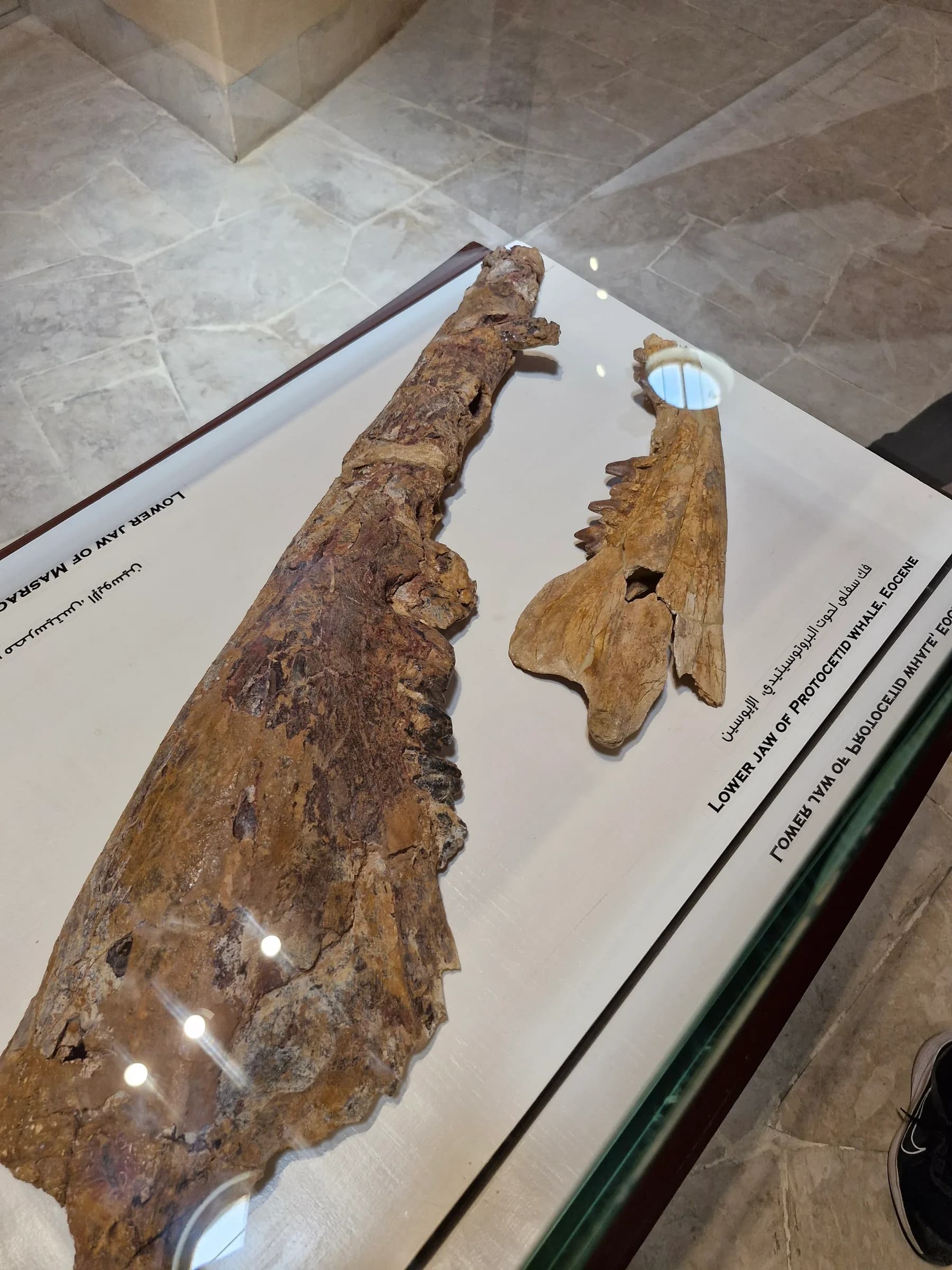
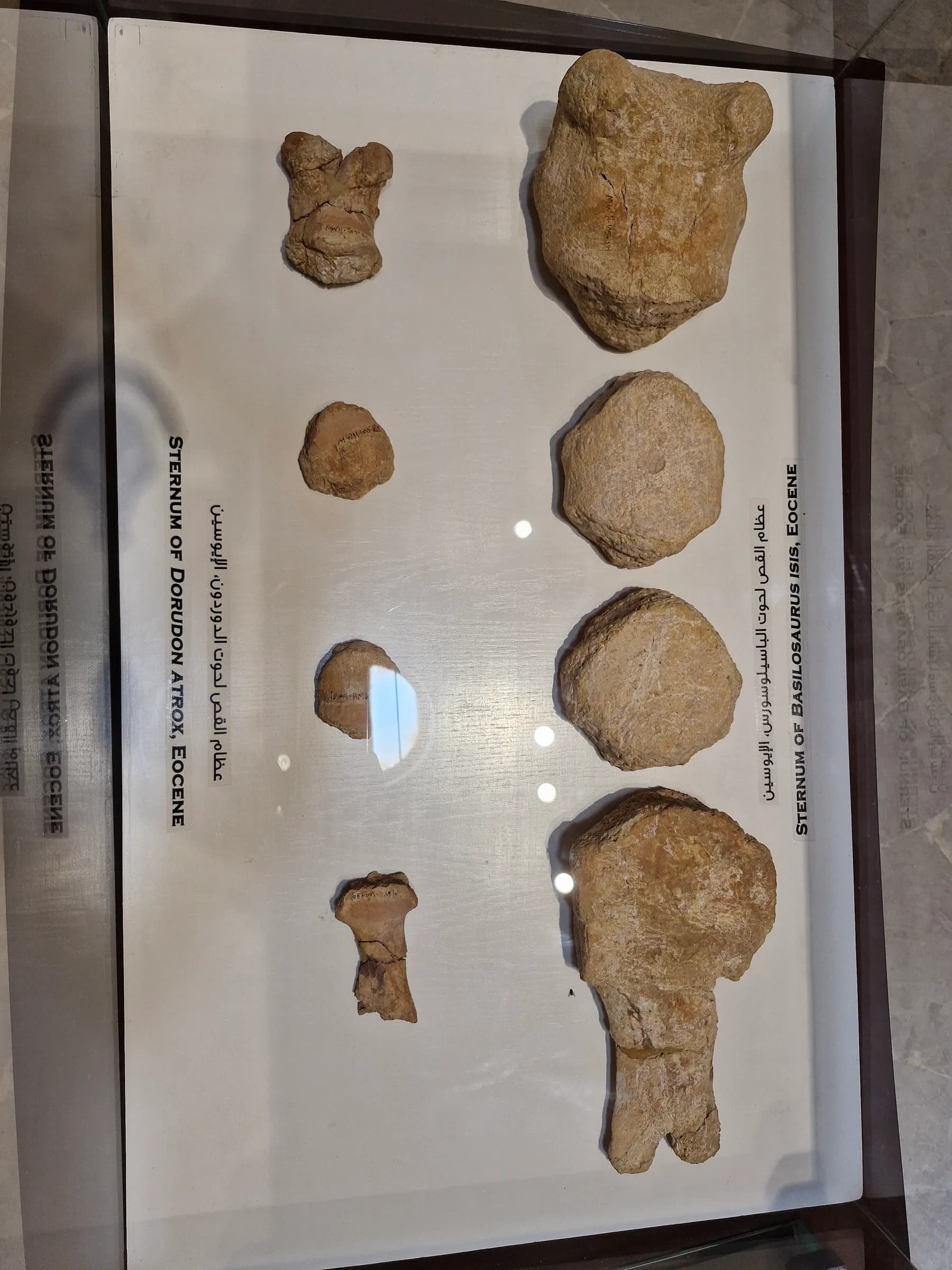
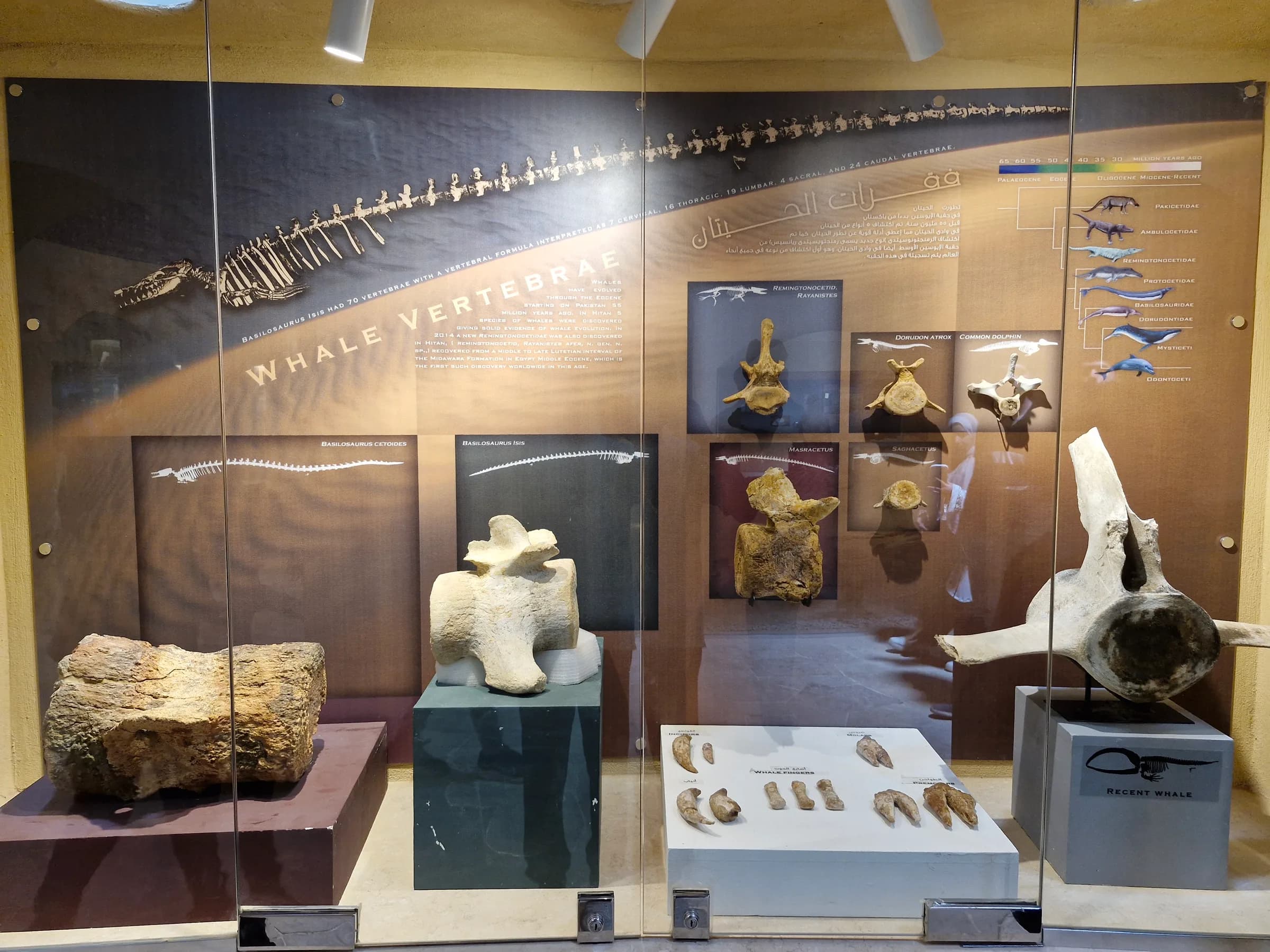
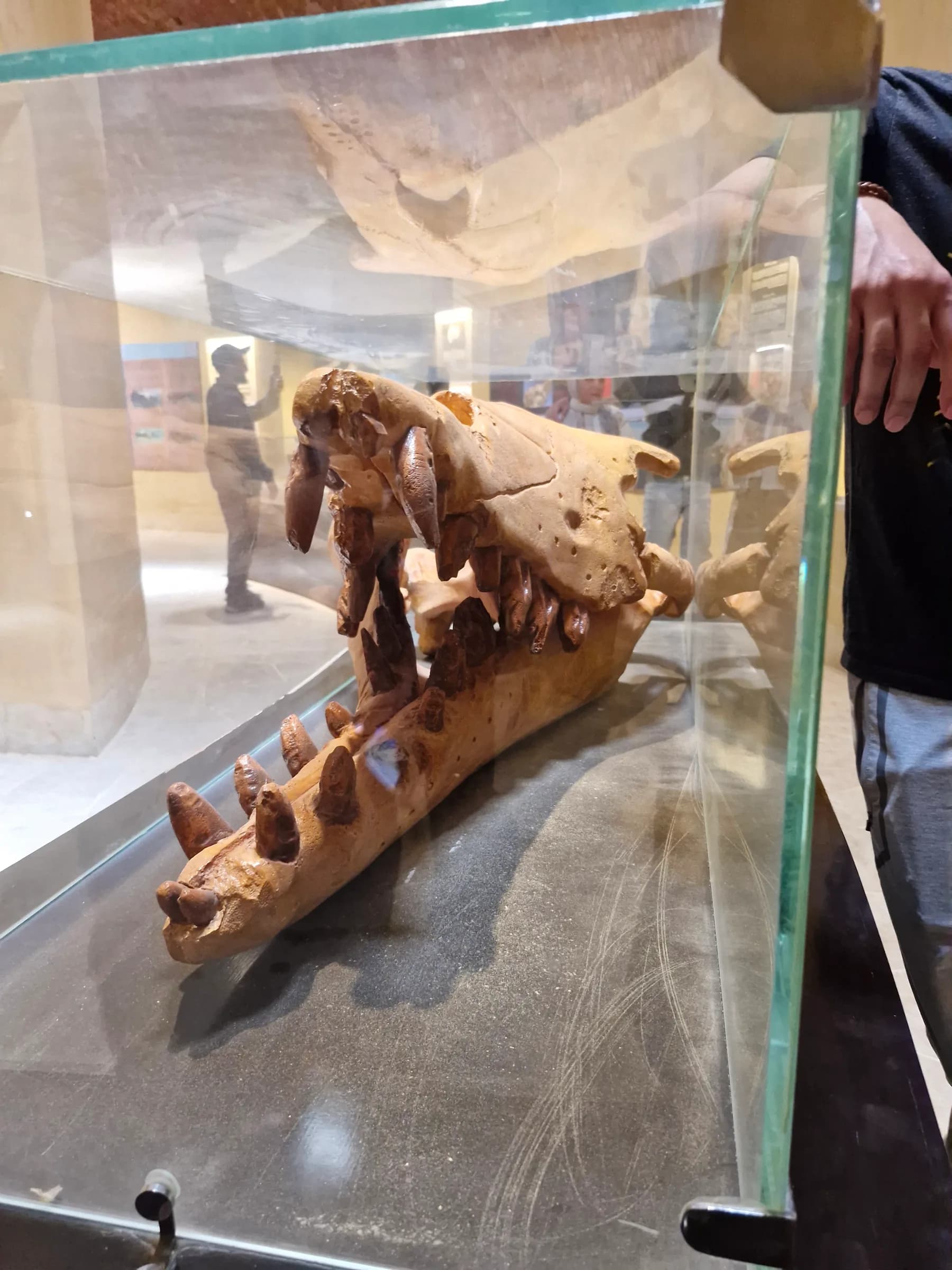
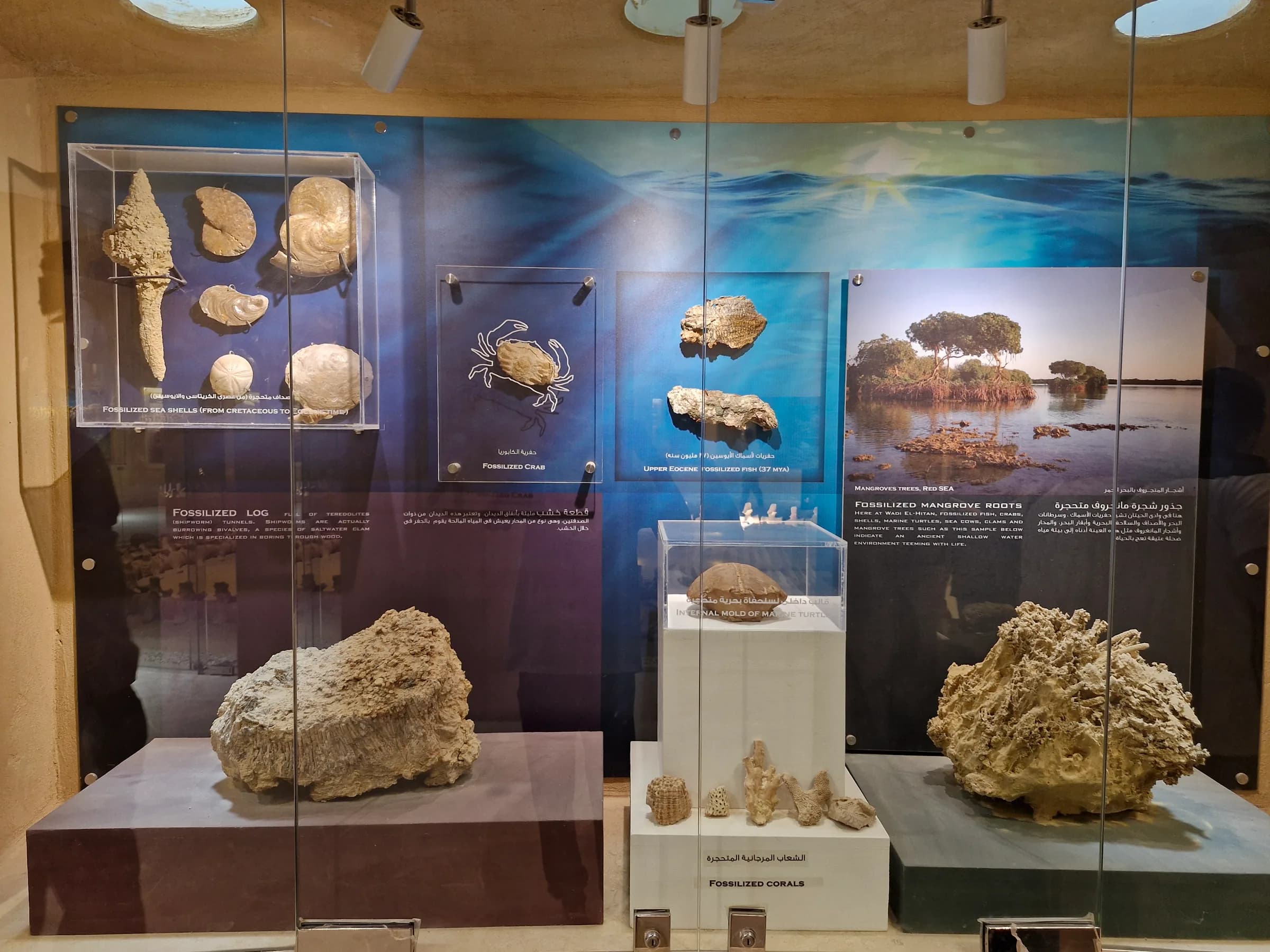
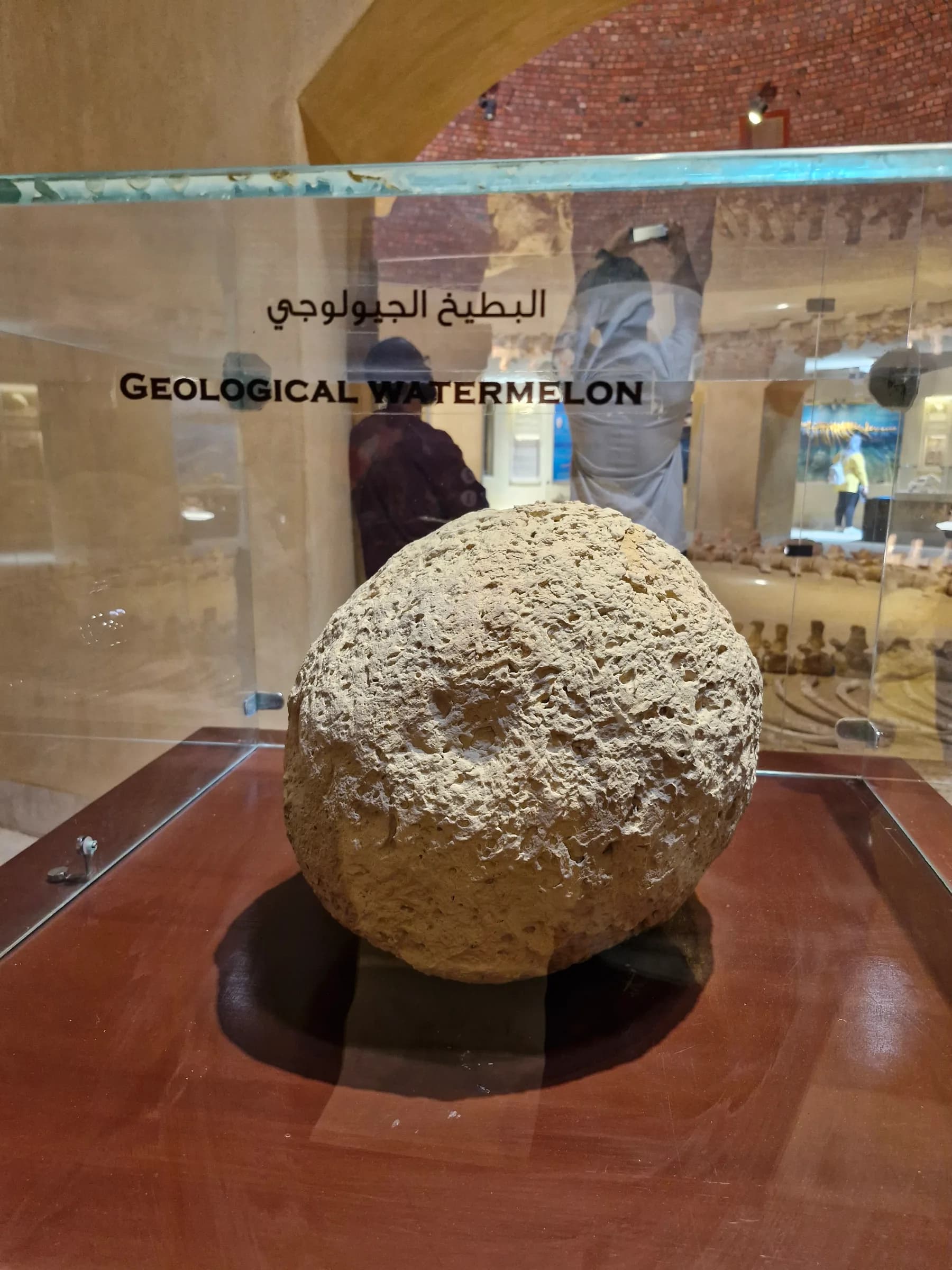
While the main focus of the trip was the stargazing session. There was more to the trip than just that. We arrived early at around 2pm where we spent some time in the only cafe and resting point across a vast desert. While the team was setting up the camp and the telescopes, we headed to the museum. A paleontology museum containing hundreds of ancient fossils that remained preserved within Earth’s layers over tens of millions of years. I had a nice history session where I learned that this desert was a seabed back then and there were many marine creatures that used to inhabit these areas before the water receded.
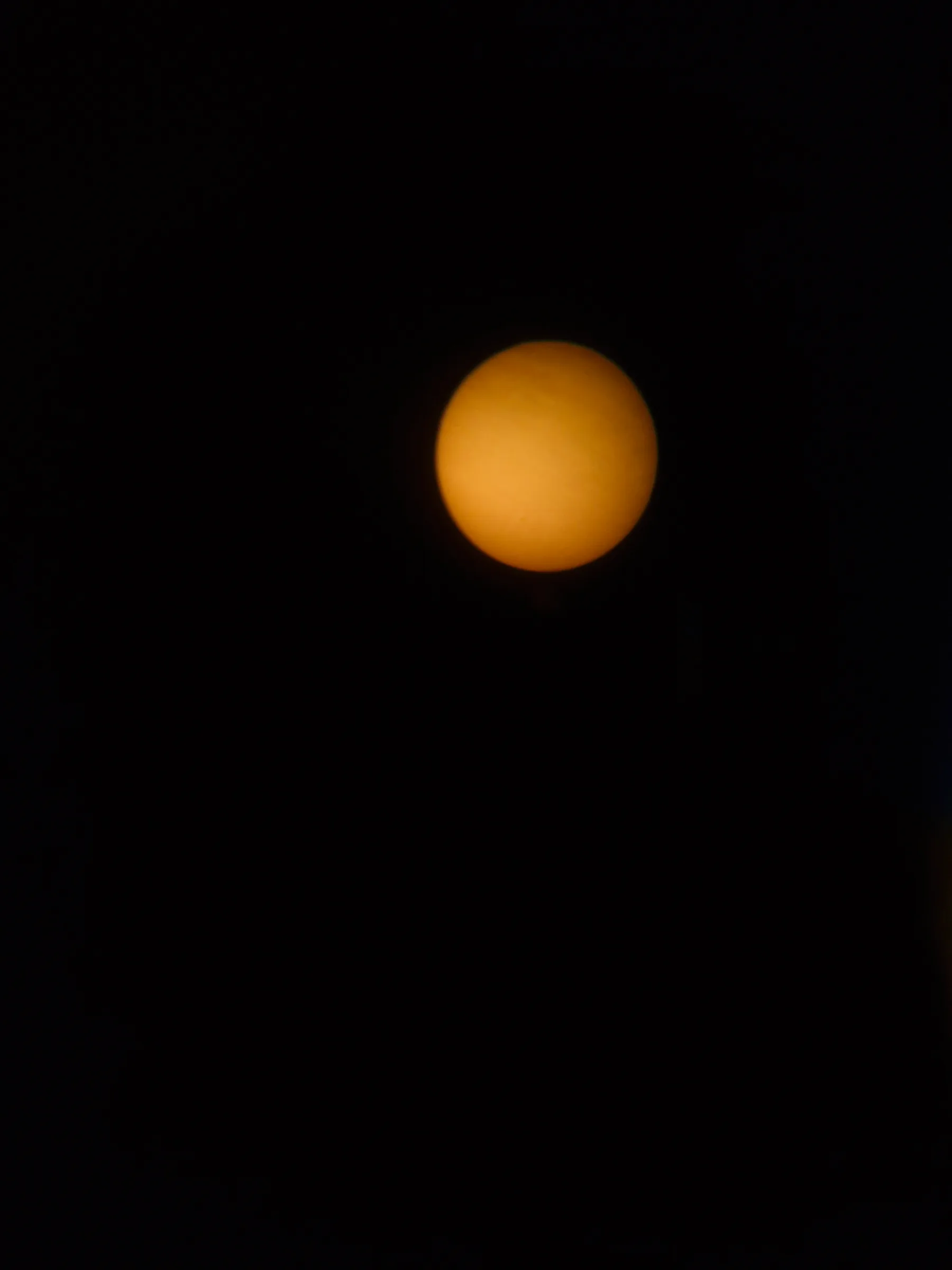
You might wonder why they set up the telescopes that early and that's because there is one really cool thing you might watch during the day. It's the sun! Through special sun filters, you can point the telescope at the sun without damaging it or your eyes. Looking through it, you will experience one of the unique phenomena that's always happening and changing but we can never notice it through our naked eyes. It’s the Sunspots. These are cooler dark dots on the sun’s surface that's caused by twists in the magnetic fields. It gets even more fascinating when you realize that these Sunspots keep changing, appearing and disappearing. We challenged each other on who would be able to count the most sunspots. It was very hard for me to capture the Sun through the telescope without a phone holder. That was the best I could get.
Now that we were done with the sunspots and there was nothing else to point the telescopes at. We rested a bit and waited till the sun’s heat got less intense. About an hour before sunset, we embarked on a hike through the dried valleys of the desert. This wasn't a regular hike. It was a hike through history as it took place in an open air museum. Where fossils were displayed just like how they were found.
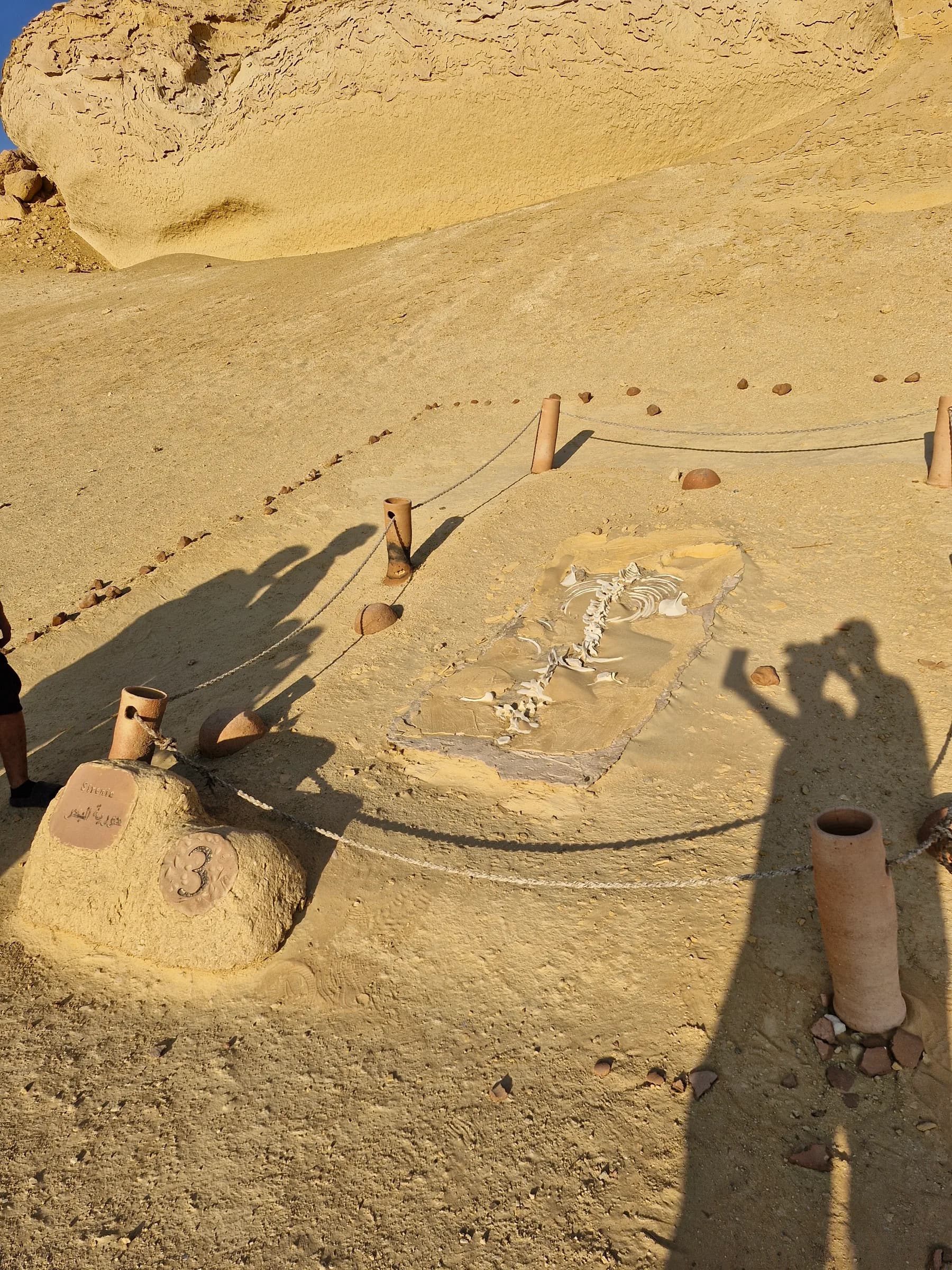
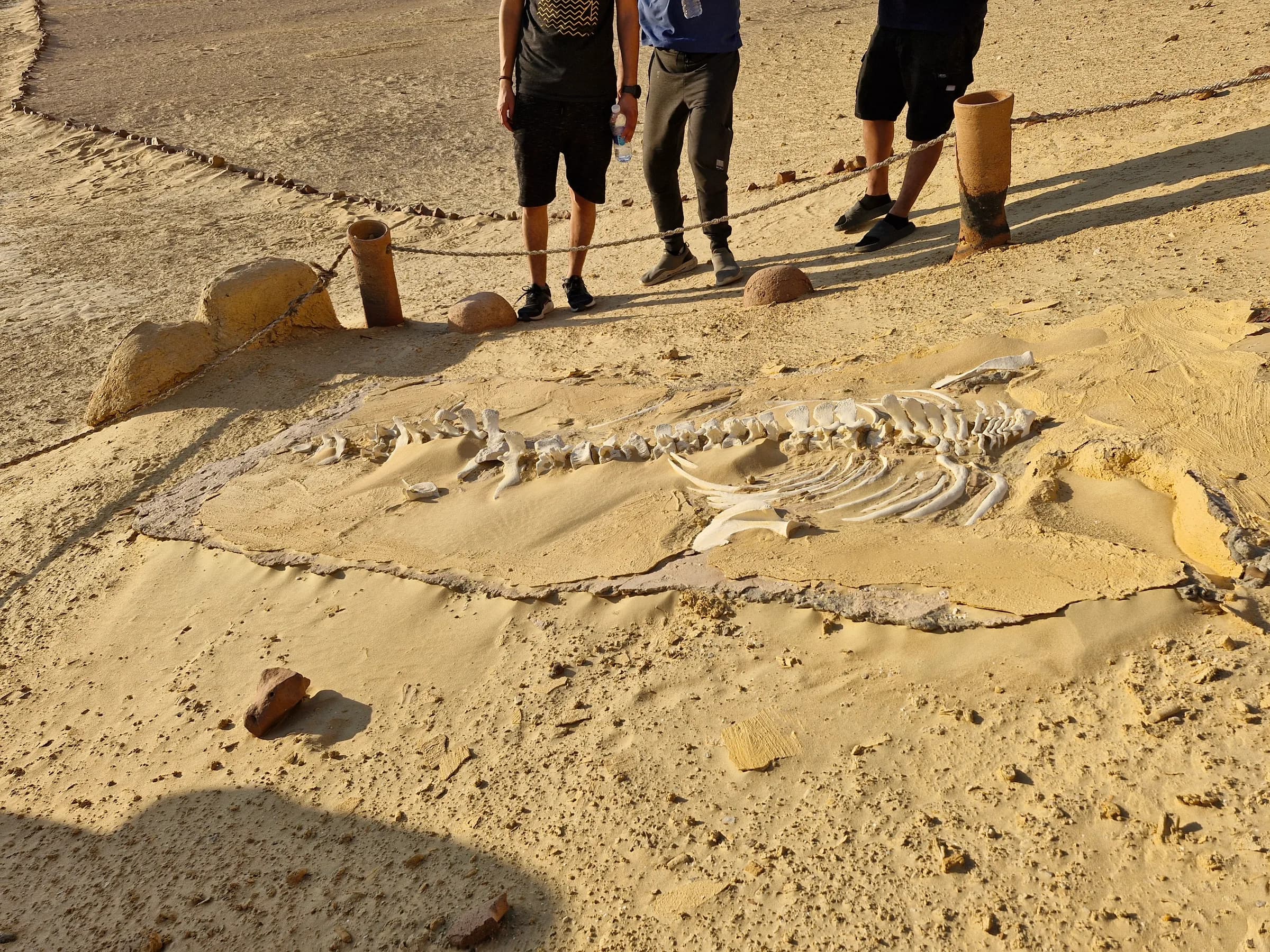
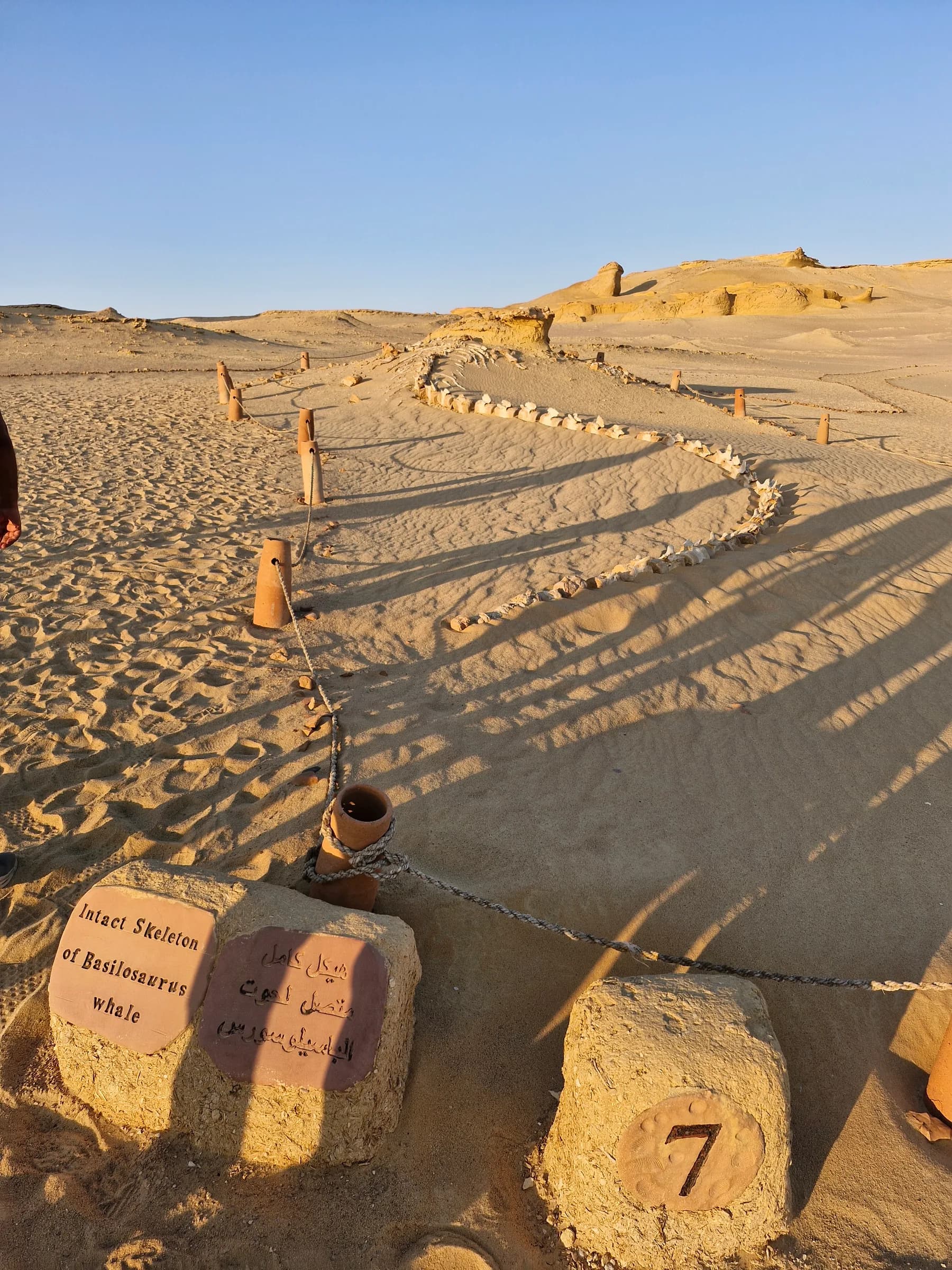
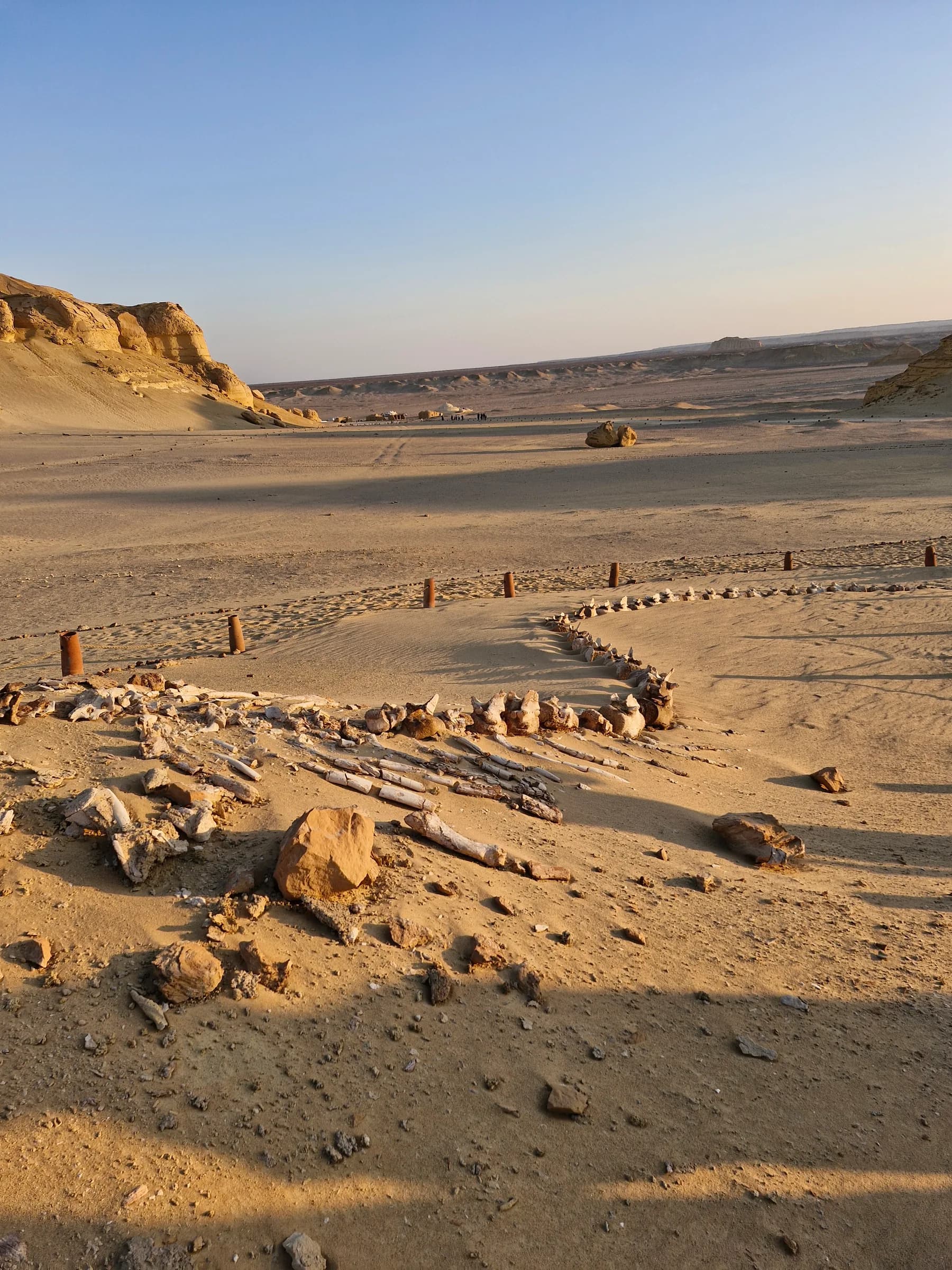
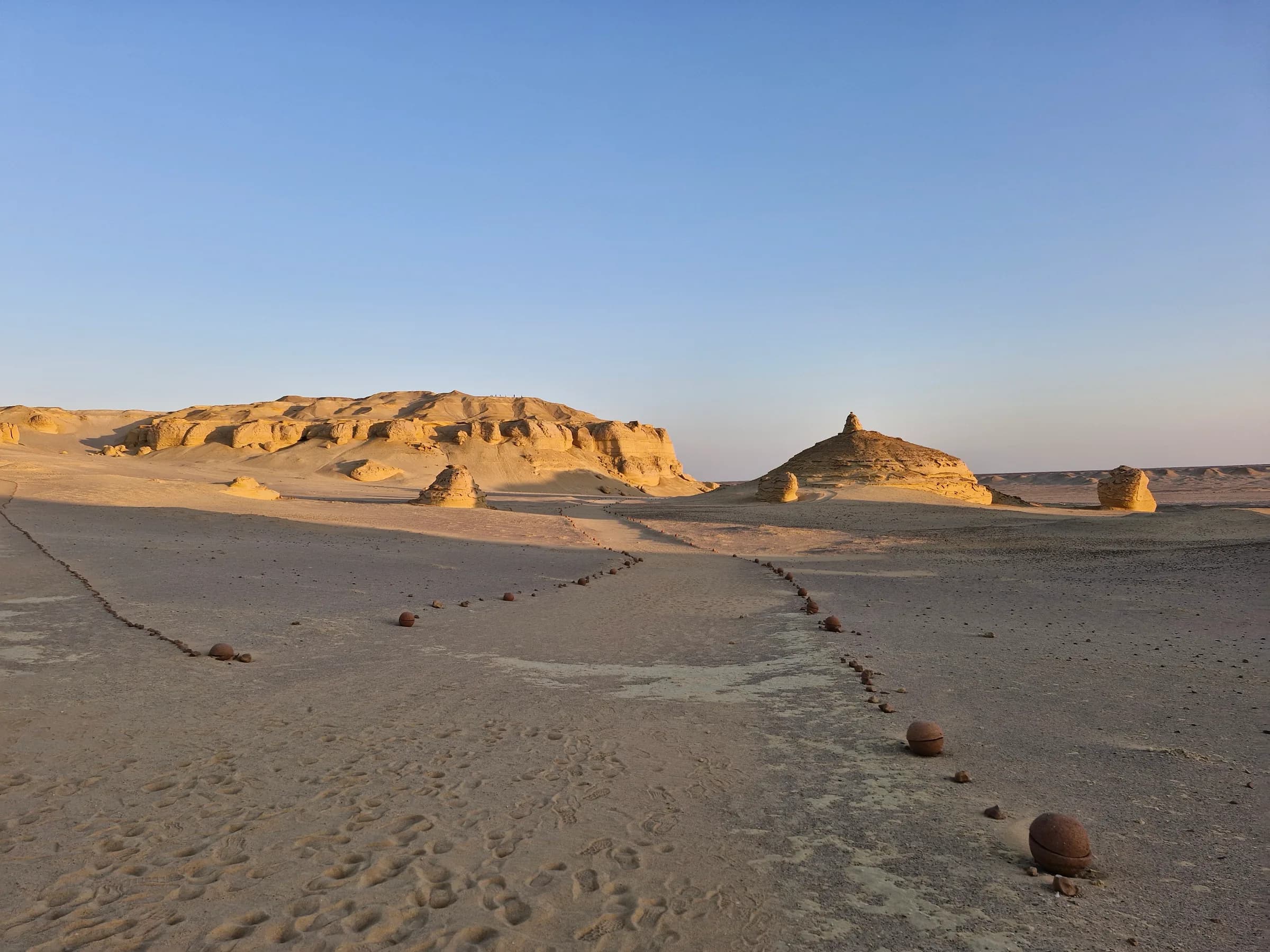
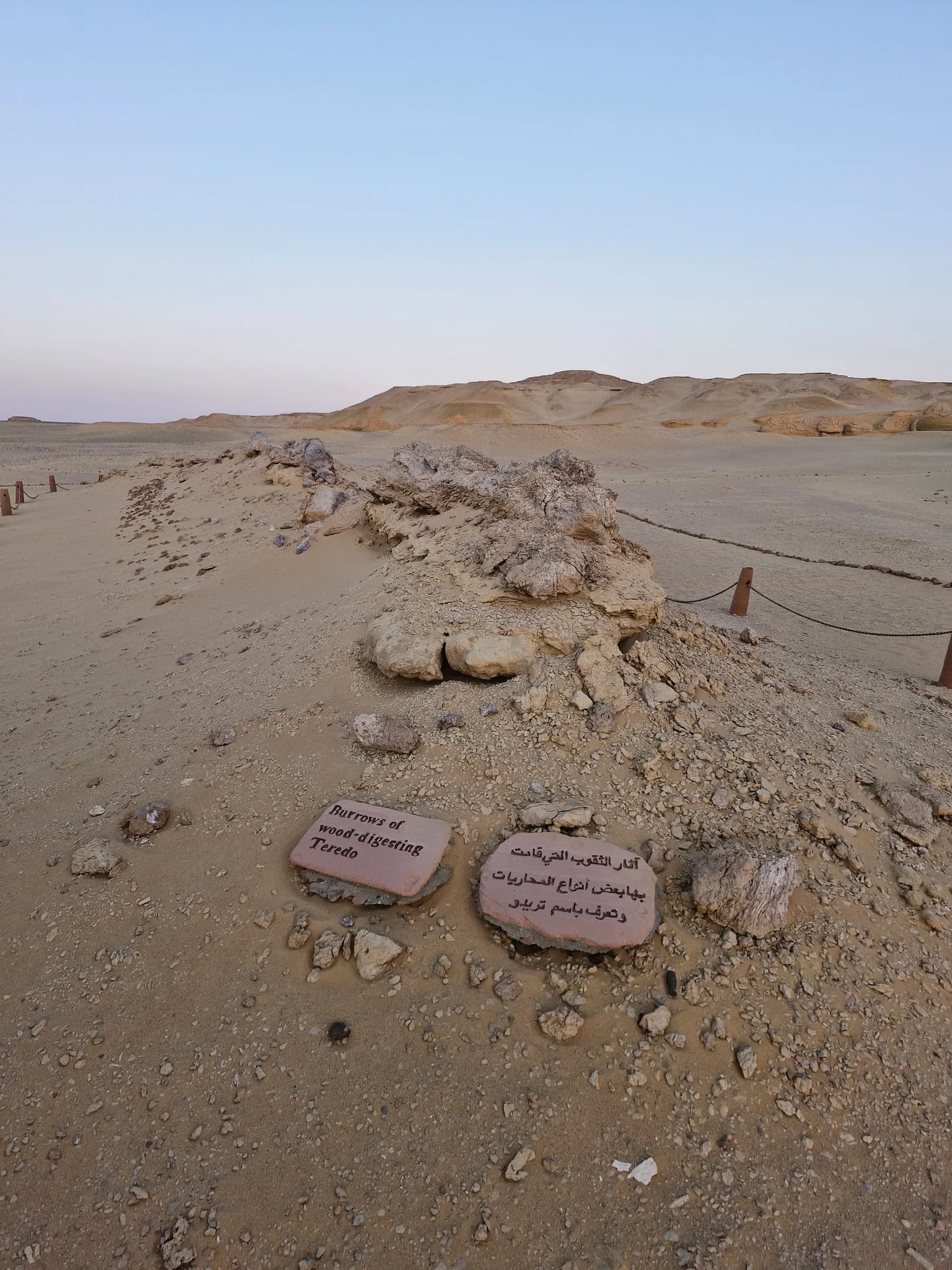
We kept hiking and exploring these ancient remains until sunset, then we started heading back to our camp. As we were walking back, we started noticing the stars popping up one by one. Once we reached the camp, we had an okay meal. The potatoes were a bit raw and the chicken was cold and a bit burnt but it was enough to power me through the rest of the night. After I finished the meal, I exited the tent to find one of the most breathtaking spectacular scenes. It's the night sky without light pollution. A completely different sky from what I am used to. Yet, it felt familiar from within my soul. The moment I saw it, I was immediately struck by a poignant sense of loss. As much as I am attached to technology, it was very disheartening to realize that we had hid this beauty.
Initially, we split up. The organizers went to set up the cameras and the telescopes in a nearby small hill while we roamed around the camp enjoying the night sky and taking some photos. I was already aware of the astrophotography basics, things like decreasing shutter speed, increasing the ISO value and turning on a flash light for a brief second to illuminate the foreground. I also came prepared with a small tripod. Luckily, a trip mate had a bigger tripod which allowed us to take very cool pictures. The images that came from the latest iPhones were on a whole new level. These phones almost produced photos with a quality that's comparable to expensive DSLR cameras without the complexity.
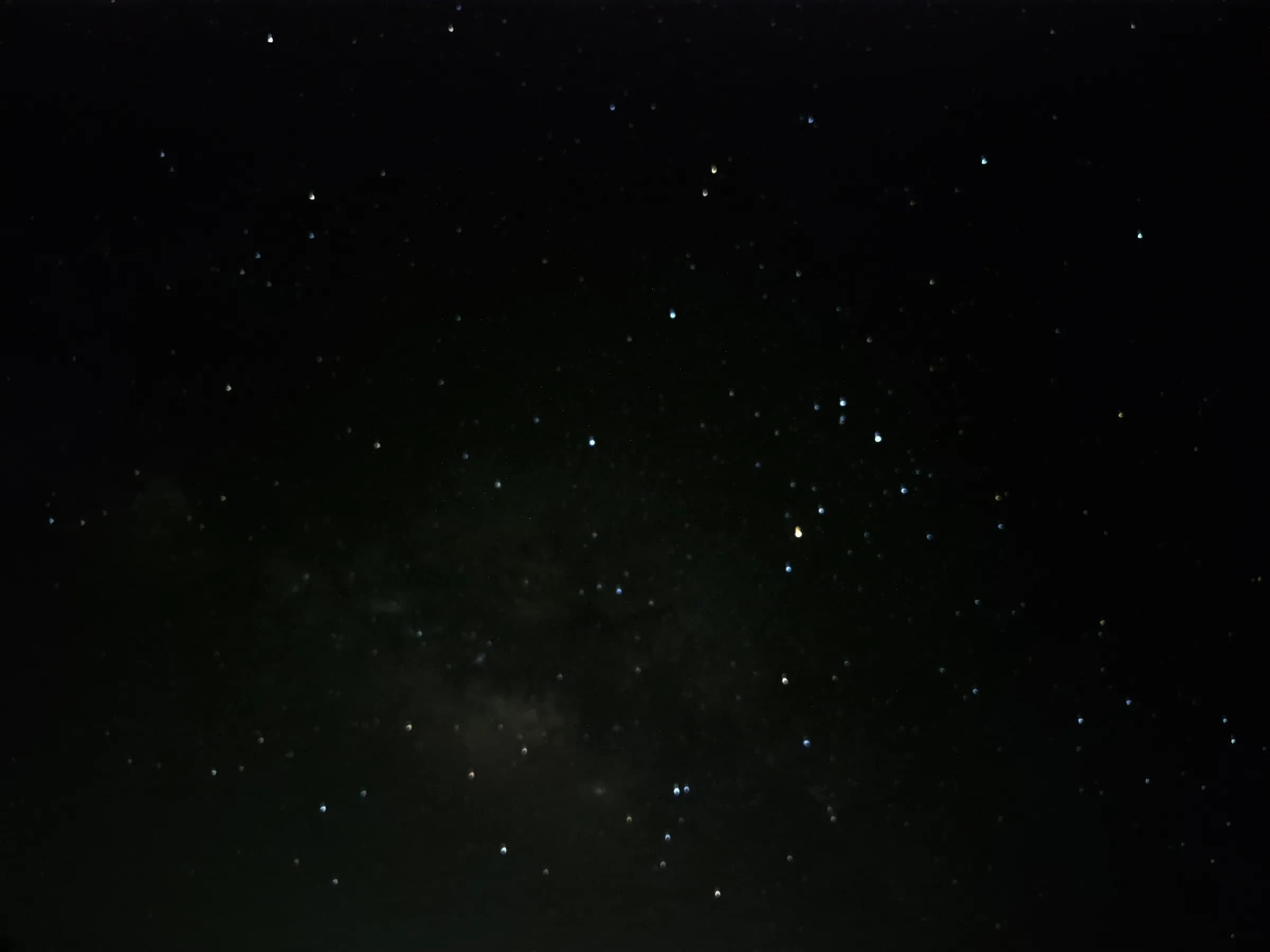
After some time, the organizers had called upon us to gather. Then we went to the nearby hill to take some photos with their DSLR camera. The photos were amazing. Seeing yourself in front of the universe had a profound feeling. Reminding me of how tiny we are in this massive universe. Looking through this perspective changed the way I think about challenges and life.
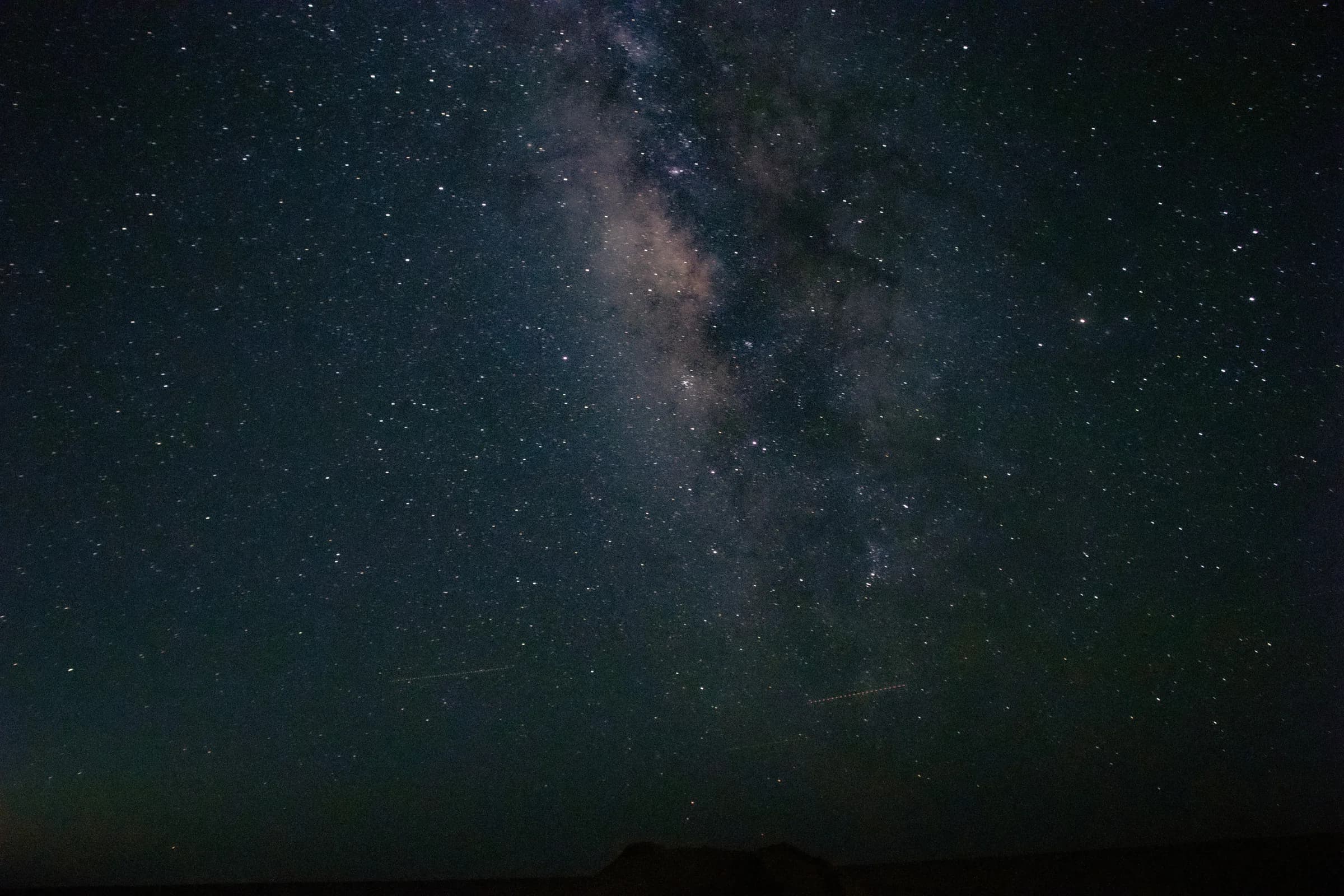
After taking some photos, we gathered near the camp for the most exciting part of the program. The stargazing session! Sitting on a blanket on the sand, under a sky filled with countless stars, surrounded by fossils of ancient creatures. There was no light or sound sources. The only thing we can hear is ourselves and nothing can be seen other than the organizer's laser. Our eyes quickly adapted to the night sky revealing more depth and light shades of gray from our galaxy, The Milky Way. Then the session began, the organizer shared a lot of cool stories and legends about the stars and constellations and their meaning to ancient civilizations. Then he proceeded with some lessons on identifying the directions and the seasons using stars.
To identify the directions you need to understand some things like which hemisphere are you part of. This is important because each hemisphere reveals a different part of the sky. In our case, we were on the northern hemisphere. Our clue to identify the north direction is a star called Polaris also known as the North Star. Its projection on our night sky aligns with the north direction. There are a lot of cool facts about Polaris like all stars rotate around Polaris in a counterclockwise rotation while Polaris itself doesn't move at all. So how do we find Polaris among the millions of stars? Luckily there are some methods. They involve identifying constellations that will point us towards Polaris. One of these constellations is called Ursa Major and it looks like a bear with a long tail but we only need to focus on the 7 brightest stars which form a pan where three of its stars form the handle while the remaining 4 bright stars form a square that resembles the bowl of the pan. This pan is called the Big Dipper. The 2 stars opposite to the handle at the edge of the pan act like a pointer. Imagine a line passing through the two stars and you will hit a bright star. That would be Polaris. Now, that you have identified the North Star, it should be trivial to identify the rest of the directions.
The other lesson was about identifying the current season of the year. Since we were doing the trip in winter, our clue is called the Winter Triangle Asterism. Simply speaking, we need to find three bright stars near the Orion constellation. These three stars will form a triangle. Depending on the location of that triangle in the night sky compared to time of the day, you can infer the current season and estimate how much of the season has passed.
By the end of the session, we spotted some objects through the telescope, like Saturn and its rings. Then we were too tired so we went to the rest area and played some card games. Then we went back to the camp and sat by the campfire eating marshmallows. While some members chose to take a nap till the sunrise. The rest had a different plan. We asked the organizer to take us on a hike to a nearby hill so we could watch the sunrise from above. That turned out to be a bit nerve racking hike as it involved climbing very steep ground, walking sideways over narrow edges and climbing over some walls but when we reached the top, it was very rewarding. The view up there was amazing, showing the whole desert.
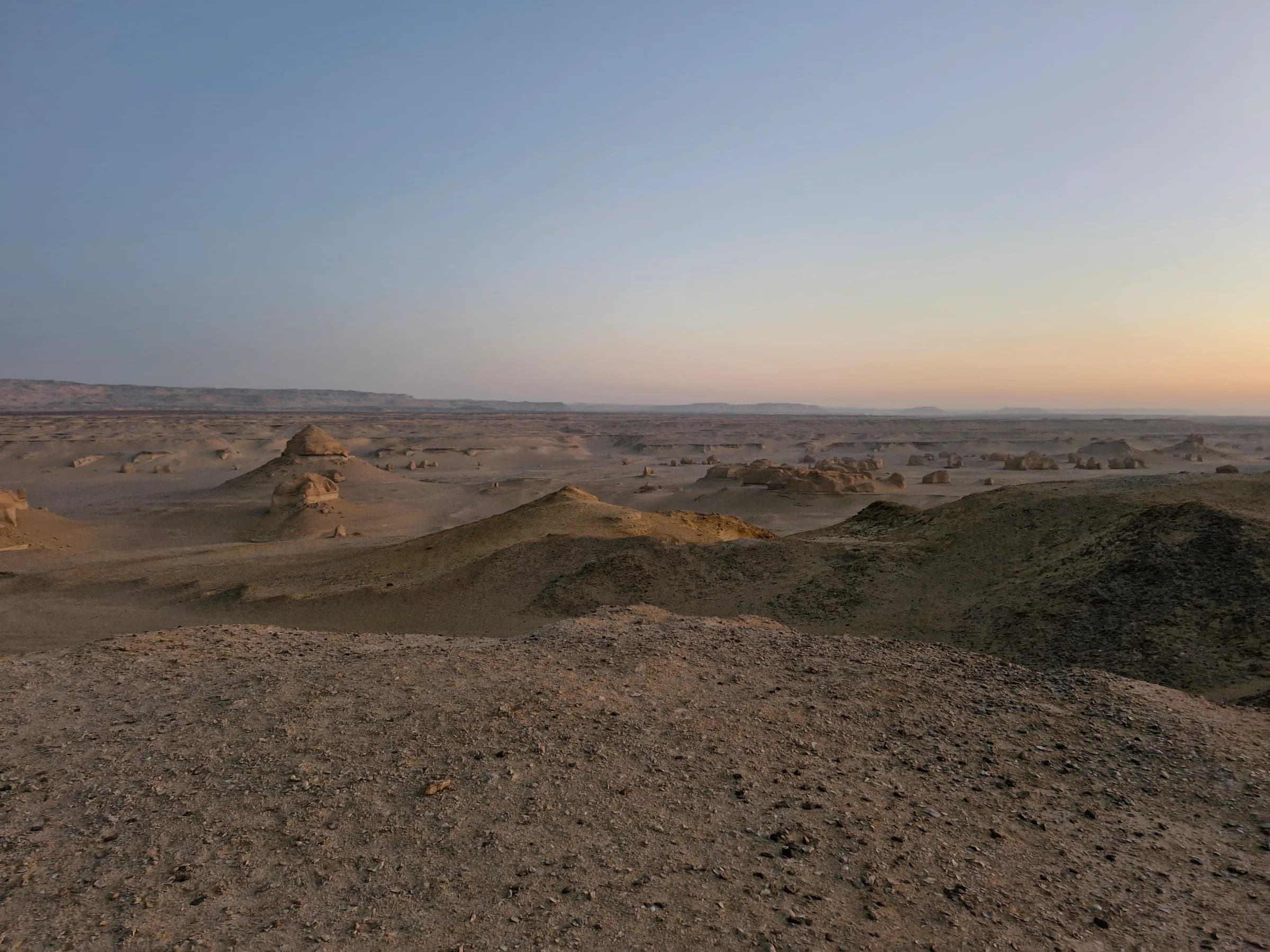
After enjoying the sunrise and taking some photos. We descended the hill and got on the bus. En route to Cairo, I had the time to reflect on the whole trip. The experience was deeply moving: It made me realize that nature is part of us humans, and seeing the true night sky for the first time revealed a part of me that had been missing throughout my life. Standing beneath those stars made me curious, made me realize that mistakes are just experiments rather than failures, and my daily setbacks suddenly seemed insignificant.